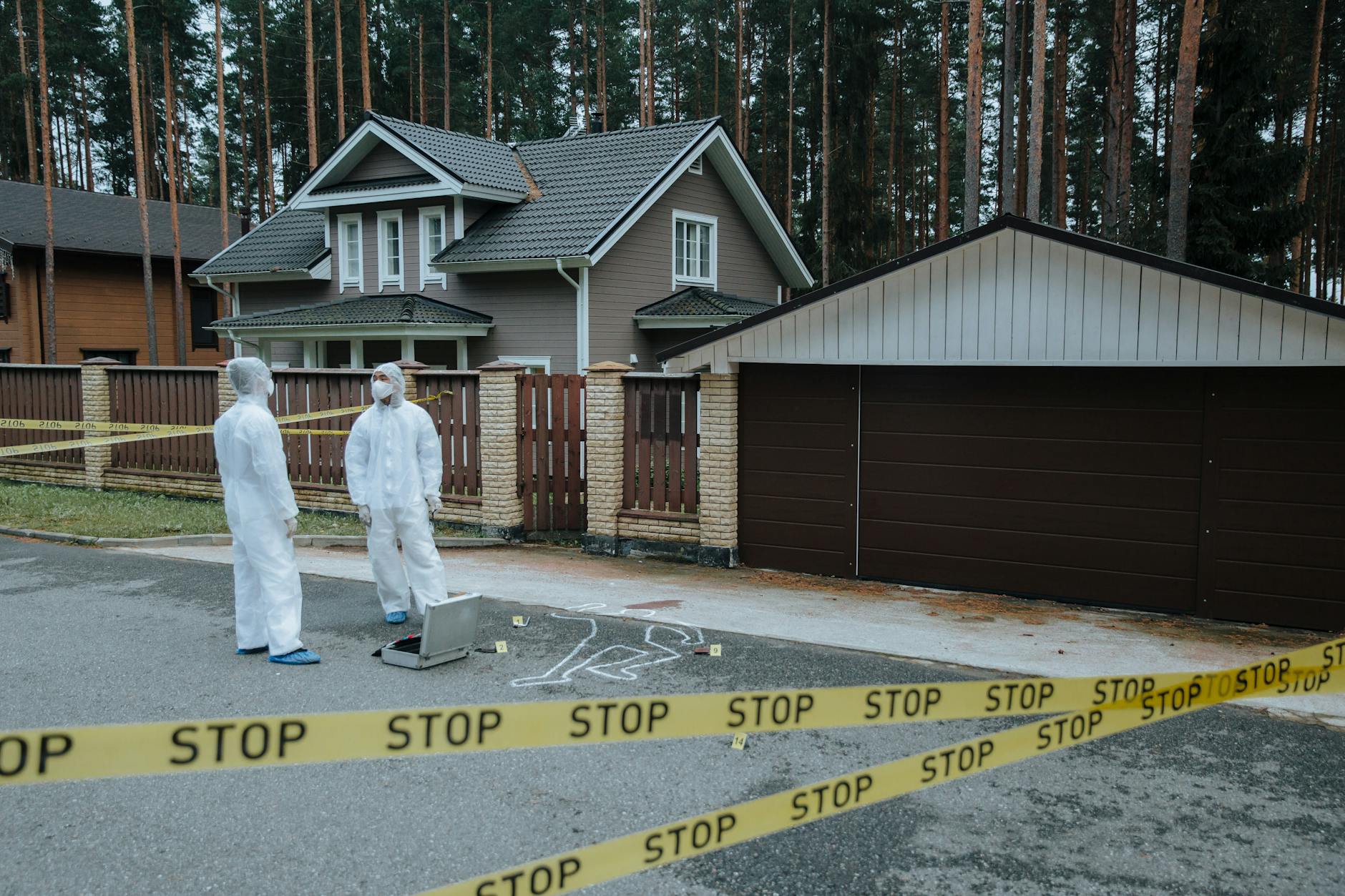


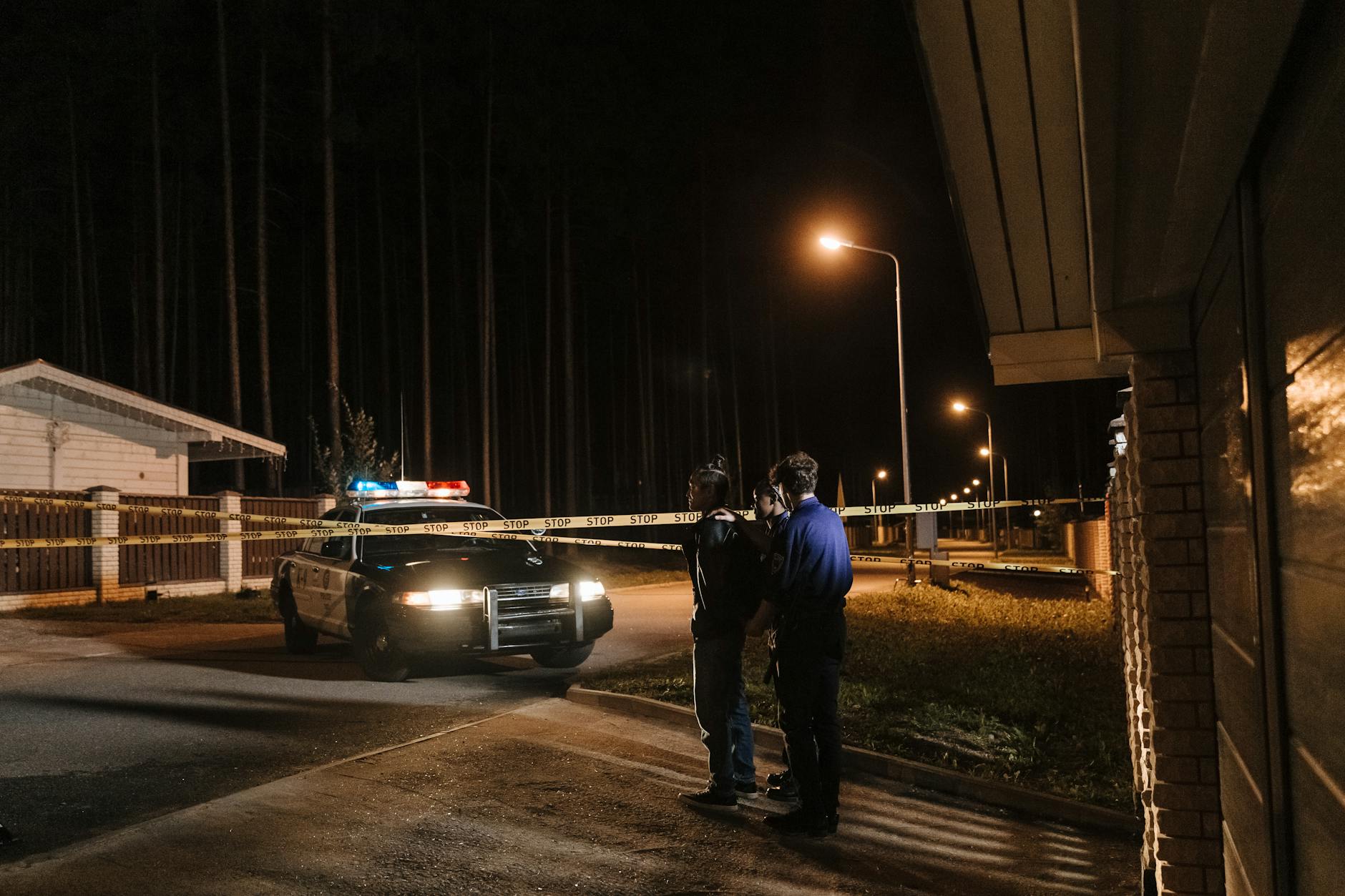
Case overview
Travis Alexander, a 30-year-old motivational speaker and salesman, was found dead in his Mesa, Arizona home on June 9, 2008, five days after he was killed. His ex-girlfriend, Jodi Arias, was arrested and charged with first-degree murder after investigators linked her to the crime scene through forensic evidence, photographs recovered from a deleted camera, and inconsistencies in her statements to police.
The victim and the relationship
Travis Alexander was a devout member of the Church of Jesus Christ of Latter-day Saints and worked as a motivational speaker and salesman for Pre-Paid Legal Services. He met Jodi Arias in September 2006 at a company convention in Las Vegas. The two began dating shortly afterward, and Arias converted to the LDS faith. Their relationship ended in the summer of 2007, but they continued to communicate and see each other intermittently.
Friends of Alexander later described the relationship as volatile and said he had grown increasingly concerned about Arias’s behavior. According to witness statements and text messages introduced at trial, Alexander told friends that Arias had accessed his social media accounts without permission and had appeared uninvited at his home on multiple occasions.
June 4, 2008
On June 4, 2008, Alexander was scheduled to leave for a work trip to Cancun with another woman. He never made the flight. According to the timeline established by investigators, Arias arrived at Alexander’s home in Mesa sometime in the early morning hours of June 4, despite living in Yreka, California, approximately 1,000 miles away.
Phone records showed that Arias had turned off her cell phone shortly before entering Arizona and turned it back on after leaving the state. Rental car records confirmed she had rented a vehicle in Redding, California, on June 2, and returned it in the same city on June 7 with the floor mats missing and the seats stained.
Investigators found no signs of forced entry. Photographs recovered from a digital camera found in Alexander’s washing machine showed images of both Alexander and Arias together on the afternoon of June 4. The camera’s metadata indicated the photos were taken between approximately 1:40 p.m. and 5:30 p.m.
The crime scene
Alexander’s body was discovered by friends who became concerned after he failed to answer calls or attend scheduled events. He was found in the shower of his master bathroom. The medical examiner determined he had been stabbed 27 times, his throat had been cut from ear to ear, and he had been shot in the head with a .25 caliber gun.
Blood evidence was found throughout the bathroom and hallway. Investigators recovered a palm print in blood on the wall that was later matched to Arias. Hair consistent with Arias’s was also found at the scene.
The digital camera found in the washing machine contained deleted photographs that were recovered by forensic analysts. Among the images were photos of Alexander alive in the shower, followed minutes later by images that appeared to show his body on the bathroom floor. One photo, taken at 5:32 p.m., showed what appeared to be Alexander’s body being dragged. The camera’s timestamp placed the final photos just minutes after the last images of Alexander alive.
Investigative focus on Jodi Arias
Arias initially denied any involvement and told investigators she had not seen Alexander in months. When confronted with evidence placing her in Mesa, she changed her account and claimed two intruders had broken into the home and killed Alexander while she was present. She said she fled out of fear for her life.
Investigators found no evidence supporting the intruder theory. There were no signs of forced entry, no evidence of a struggle involving anyone other than Alexander and Arias, and no credible witnesses or forensic findings to support her claims.
Arias was arrested on July 15, 2008, at her grandparents’ home in Yreka, California. A .25 caliber handgun had been reported stolen from the home days before Alexander’s murder. Prosecutors later argued that Arias had stolen the weapon herself in preparation for the killing.
The trial and defense strategy
The trial began in January 2013 and lasted nearly five months. Arias changed her story for a third time and admitted to killing Alexander, but claimed she acted in self-defense. She testified that Alexander had become violent and that she killed him to protect herself.
Prosecutors argued that the murder was premeditated and cited the stolen gun, the long-distance drive with a turned-off phone, the rental car, and the efforts to delete photographs and clean the scene as evidence of planning. They also pointed to the nature of the wounds and the sustained attack as inconsistent with self-defense.
Defense attorneys presented testimony from a psychologist who diagnosed Arias with post-traumatic stress disorder and argued that she had been physically and emotionally abused by Alexander. The defense also attempted to explain the differing accounts as the result of trauma and fear.
The prosecution countered with testimony from Alexander’s friends, text message records, and journal entries that contradicted Arias’s portrayal of the relationship. Forensic experts testified about the sequence of wounds and the lack of defensive injuries on Arias.
Verdict and sentencing
On May 8, 2013, the jury found Arias guilty of first-degree murder. The trial moved to the penalty phase to determine whether she would receive the death penalty or life in prison. The jury was unable to reach a unanimous decision during the initial penalty phase.
A second penalty phase jury was seated in 2014, but that jury also deadlocked. Under Arizona law, the decision then fell to the judge. In April 2015, Arias was sentenced to life in prison without the possibility of parole.
Unresolved questions and continued scrutiny
The case generated significant media attention, much of it focused on Arias’s shifting explanations and courtroom behavior. Some coverage questioned the extent to which the defense’s abuse claims were supported by independent evidence. Others examined the forensic timeline and the question of whether the shooting or stabbing occurred first, a detail that remains debated.
The trial record contains more than 18,000 pages of testimony and hundreds of pieces of evidence. Despite the conviction, some aspects of the case remain disputed, including whether the killing was spontaneous or planned, and what motivated Arias to return to Alexander’s home that day.
Arias is currently serving her sentence at the Arizona Department of Corrections. She has maintained that she acted in self-defense and has filed multiple appeals, none of which have succeeded in overturning her conviction.
Where to look next
- Documentary: “Jodi Arias: An American Murder Mystery” (Investigation Discovery)
- Documentary: “Jodi Arias: Dirty Little Secret” (Lifetime)
- Book: “Picture Perfect: The Jodi Arias Story” by Shanna Hogan
- Podcast: “Jodi Arias: The Untold Story” (Audioboom)