

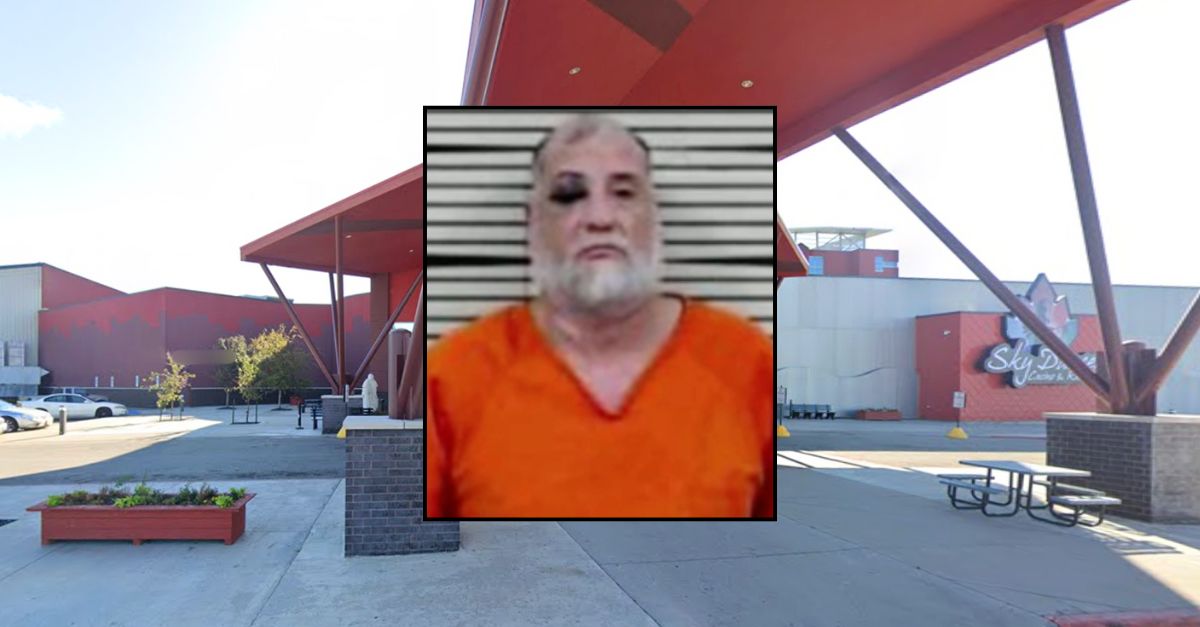
When deputies entered the tribal casino hotel room, they found a caller with a swollen, bleeding eye, blood on his clothes, and a woman on the floor who was not moving. He told 911 there was a dead person. Investigators say the only people seen entering that room for hours were the two of them.
That early morning scene at the Sky Dancer Casino & Resort on the Turtle Mountain Indian Reservation in Belcourt, North Dakota, has now become a federal second-degree murder case. Prosecutors say 58-year-old Rigoberto Mendez-Morales killed a woman identified in court records only by the initials B.T.M., an enrolled member of a federally recognized tribe, which places the case in federal court as a crime within Indian Country. According to a criminal affidavit, Mendez-Morales disputes the United States government’s jurisdiction over him, even as he faces a potential life sentence if convicted.
The 911 Call And What Deputies Found
According to a federal criminal complaint and affidavit reviewed by Law & Crime, a 911 call came in at about 6:07 a.m. on January 10 from the Sky Dancer Casino & Resort on the Turtle Mountain Indian Reservation in north-central North Dakota. The caller, later identified in the affidavit as Mendez-Morales, reported that there was a dead person in his room and said he had woken up to find a woman dead there.https://lawandcrime.com/crime/there-was-a-dead-person-man-with-swollen-and-bleeding-eye-called-911-after-leaving-long-black-hairs-on-knife-used-to-kill-woman-police-say/
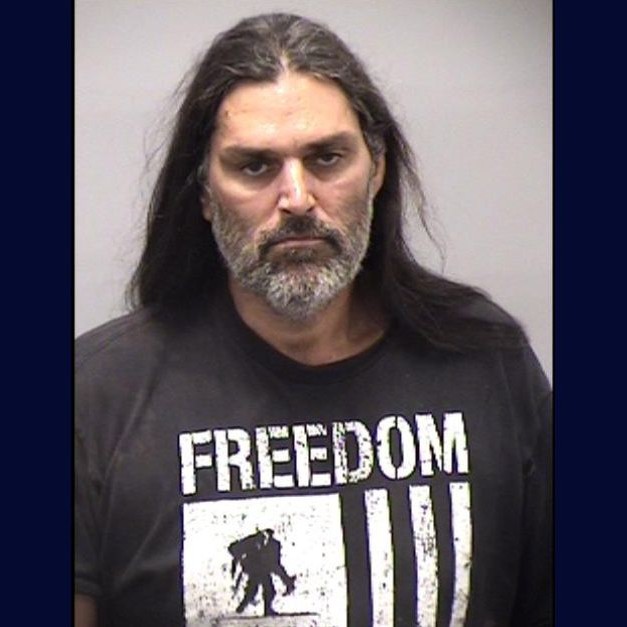
Deputies from the Rolette County Sheriff’s Office responded to the call. When they entered the room, they found Mendez-Morales sitting on the bed. On the floor lay a woman, identified in the affidavit only as B.T.M. An FBI agent who authored the filing wrote that Mendez-Morales “appeared to have blood on his clothing and face” and had an injury to his right eye that was “swollen and bleeding.” Booking photos later showed his right eye purple and so swollen it appeared closed, according to Law & Crime’s review of the records.
When officers detained him, they allegedly found a “Leatherman-type tool” on his person. The affidavit describes it as a multi-purpose tool that can include knife blades or scissors. Investigators say the tool was “covered in what appeared to be blood.” When FBI agents later collected it, they reported finding “what appeared to be long black human hairs that law enforcement observed to be consistent with B.T.M.” according to the same filing.
The affidavit states that surveillance video from the hallway outside the hotel room showed only two people entering or leaving during the critical time period. Investigators say the footage shows Mendez-Morales and B.T.M. as the only individuals who went into that room before officers arrived.
Prosecutors Say Stabbing, The Defendant Says He Cannot Remember
Mendez-Morales is charged in federal court with second-degree murder within Indian Country. That is a federal offense that typically relies on statutes governing homicide and crimes in Indian Country, including 18 U.S.C. 1111 and 18 U.S.C. 1153, when either the victim or the defendant is a tribal citizen and the offense occurs on designated tribal land. The charging documents describe the alleged killing as a stabbing at the casino resort, according to Law & Crime’s report on the affidavit.
In an interview with the FBI, summarized in the affidavit, Mendez-Morales allegedly said he remembered gambling at the Sky Dancer Casino and consuming three alcoholic wine drinks while gambling. He reportedly told agents that he did not recall returning to his hotel room. He also allegedly said he did not know why there was blood on his pants, shirt, and the multi-tool, according to the filing.
The affidavit states that he denied touching B.T.M. when he saw her on the floor and covered in blood. He allegedly told investigators he woke up in bed and saw that she was not moving. At this stage, federal authorities have not publicly released a detailed medical examiner’s report, and the court documents summarized by Law & Crime focus on the scene, the video, and the physical evidence tied to the multi-tool.
Law & Crime reports that court records identify B.T.M. as an “enrolled member of a federally recognized tribe.” The records do not name her tribe in public filings, but the case location on the Turtle Mountain Indian Reservation points to tribal jurisdictional issues that trigger federal involvement even when a local sheriff’s office is first on scene.
The Evidence Federal Agents Highlight
Based on the publicly available affidavit, federal investigators are emphasizing a few specific points as they build their case:
Item 1: The 911 call. Mendez-Morales allegedly called for help himself and said there was a dead person in his room, according to the affidavit. His reported statement that he woke up and found her dead is one of the few direct descriptions of the timeline in his own words that appears in the filing.
Item 2: Visible injuries and blood. Deputies and the FBI agent describe his right eye as badly swollen and bleeding and his clothes and face as apparently bloody. The affidavit does not, in the portions reported publicly, explain how that eye injury occurred or whether investigators believe it is tied to the alleged assault on B.T.M.
Item 3: The multi-tool with hair and apparent blood. Agents say the Leatherman-style tool found on him was coated in what looked like blood. They also report the presence of long black hairs that they believed were consistent with the victim’s hair. Any forensic testing of the tool, blood, or hair samples has not yet been detailed in open court filings summarized by the media.
Item 4: Hallway surveillance. The affidavit states that casino surveillance video showed only Mendez-Morales and B.T.M. entering that room during the hours in question. No other visitors appear on the hallway footage in that period, according to investigators.
Item 5: His reported lack of memory. In the version of events recorded in the affidavit, Mendez-Morales acknowledges drinking and gambling but says he cannot remember returning to the room or why he was covered in blood. He denies touching the victim after seeing her on the floor. Federal prosecutors will have to reconcile that account with the physical evidence and any medical findings about the nature and timing of the victim’s injuries.
At this stage the available record is heavily weighted toward the government’s account. Key defense filings, potential expert reports, and cross-examination of investigators have not yet occurred in public. There is no indication in the reporting reviewed that Mendez-Morales has entered a detailed written motion explaining his challenge to federal jurisdiction, although the affidavit notes his refusal to concede that authority.
Indian Country Jurisdiction And Tribal Response
Because the alleged killing happened on the Turtle Mountain Indian Reservation and the victim is identified as an enrolled tribal member, federal prosecutors are treating this as a crime in Indian Country. In general, the Department of Justice explains that serious violent crimes in Indian Country involving Native American victims or defendants can fall under federal jurisdiction even when tribal or state authorities are also involved.https://www.justice.gov/tribal/our-justice-system
In this case, local deputies were first on scene, but the FBI took over the investigation and filed a criminal complaint in federal court. That division of labor is common in major cases involving tribal citizens on reservation land. Mendez-Morales is not described in the affidavit as a tribal citizen.
Leaders with the Turtle Mountain Band of Chippewa have publicly acknowledged the killing and framed it as a case of intimate partner violence. Fargo-based NBC affiliate KVLY reported that tribal leadership called the alleged crime “a senseless act of domestic violence” and expressed condolences to the victim’s relatives.https://www.valleynewslive.com/
Authorities have not publicly explained the exact nature of the relationship between Mendez-Morales and B.T.M. The Law & Crime report notes that it is unclear whether they knew each other before his January visit to the casino. That gap is important because it affects how readers understand both the domestic violence framing used by tribal leaders and the broader context of the encounter that led to the 911 call.
What Remains Unknown
Mendez-Morales faces a federal charge of second-degree murder within Indian Country and, according to Law & Crime, could receive life imprisonment if convicted. As of the latest public reporting, prosecutors have not filed a detailed narrative of motive in open court beyond the description of the physical scene and their characterization of the death as a stabbing. The defense, for its part, has not put forward a competing factual timeline in public filings available to reporters.
The affidavit leaves several questions unresolved. It does not in the cited portions specify how many wounds the victim suffered or where they were located, how long she had been dead when officers arrived, or whether any trace evidence connected the multi-tool directly to internal injuries. It also does not yet explain how investigators believe his eye injury occurred or whether they think it was defensive, self-inflicted, or caused some other way.
What is clear from the public record is that a woman died on the floor of a casino hotel room on the Turtle Mountain Indian Reservation. The only other person believed to have entered that room during the critical period now faces a federal murder charge and says he does not remember how the blood got on him. How jurors eventually weigh that conflict between physical evidence and claimed memory loss may decide whether this case ends in a conviction, an acquittal, or an explanation that has not yet reached the public record.