


Case overview
On August 20, 1966, two electrical technicians were found dead on Vintem Hill in Niterói, Brazil, each wearing a crude lead mask and lying beside a notebook with cryptic instructions. Despite a formal inquest, toxicology delays, and widespread press attention, investigators never determined whether the deaths were accidental, planned, or the result of foul play. The case remains unresolved more than five decades later.
The discovery on Vintem Hill
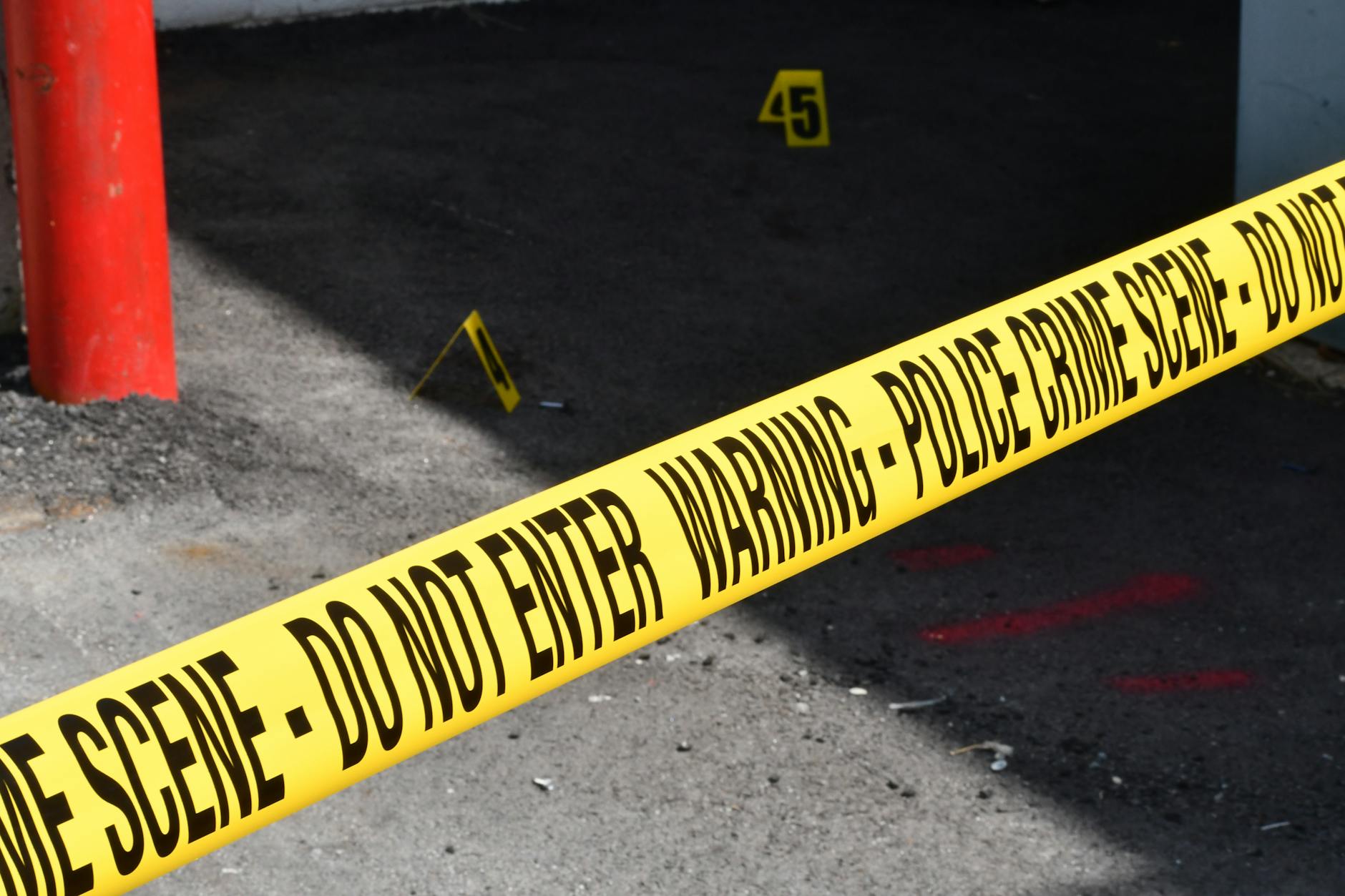
On August 20, 1966, a teenager flying a kite on Vintem Hill in Niterói discovered two bodies lying side by side in a small clearing. The men were later identified as Manoel Pereira da Cruz, 32, and Miguel José Viana, 34, both electrical technicians from Campos dos Goytacazes, a city roughly 170 miles northeast of Rio de Janeiro. Each wore a formal suit, a waterproof coat, and a handmade mask fashioned from lead sheets with narrow eye cutouts.
Authorities found no signs of struggle, visible trauma, or disturbance at the scene. Personal effects were intact, and a small amount of cash remained in their pockets. Near the bodies, police recovered a notebook containing a short, handwritten list of instructions in Portuguese. The note read: “16:30 be at the determined place. 18:30 swallow capsules, after the effect protect metals await signal mask.”
Also recovered were two towels, an empty water bottle, and a receipt from a bar in Niterói dated August 17, three days before the discovery. No capsules, pills, or containers were found at the scene.
Investigative and procedural challenges
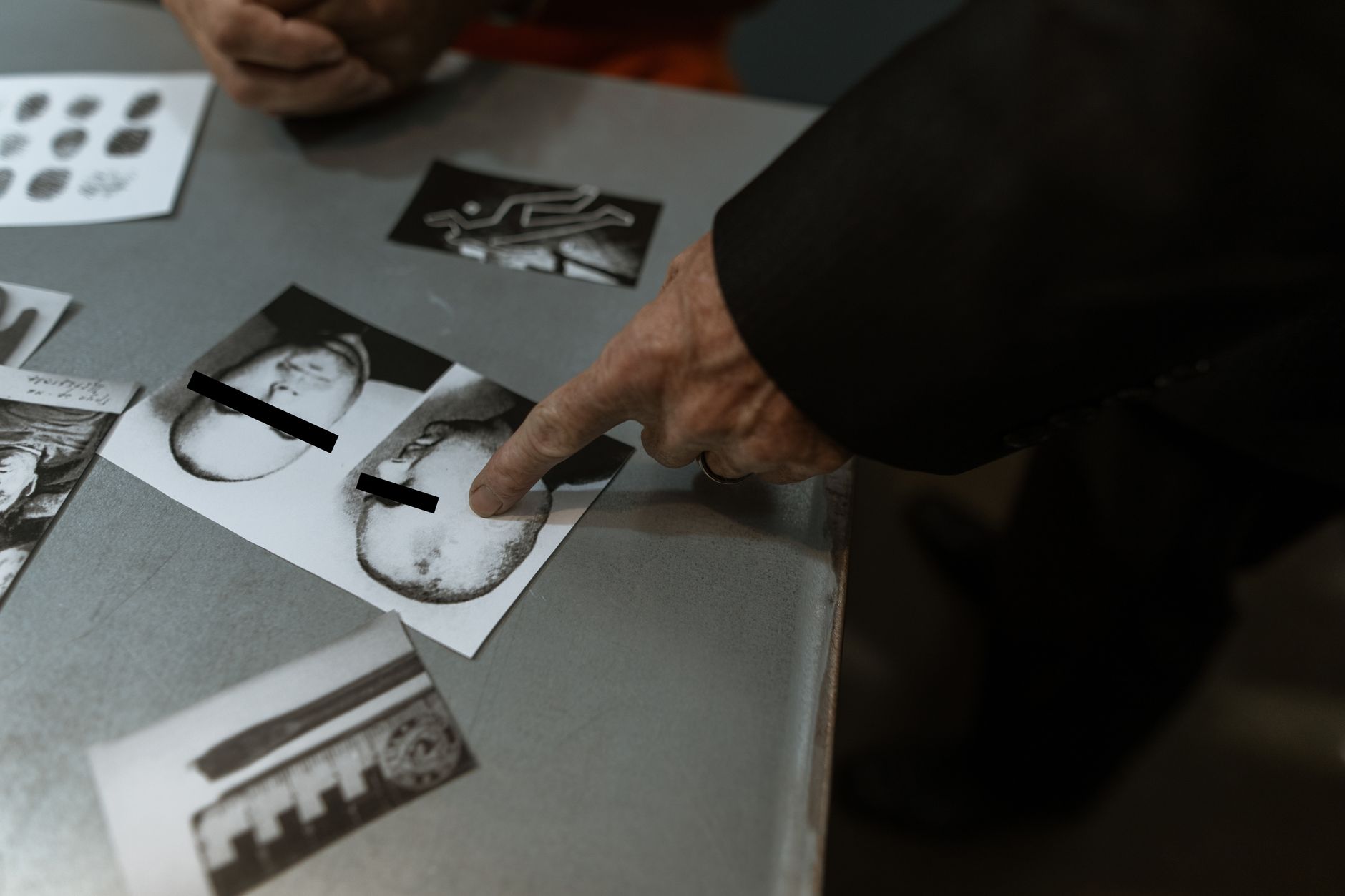
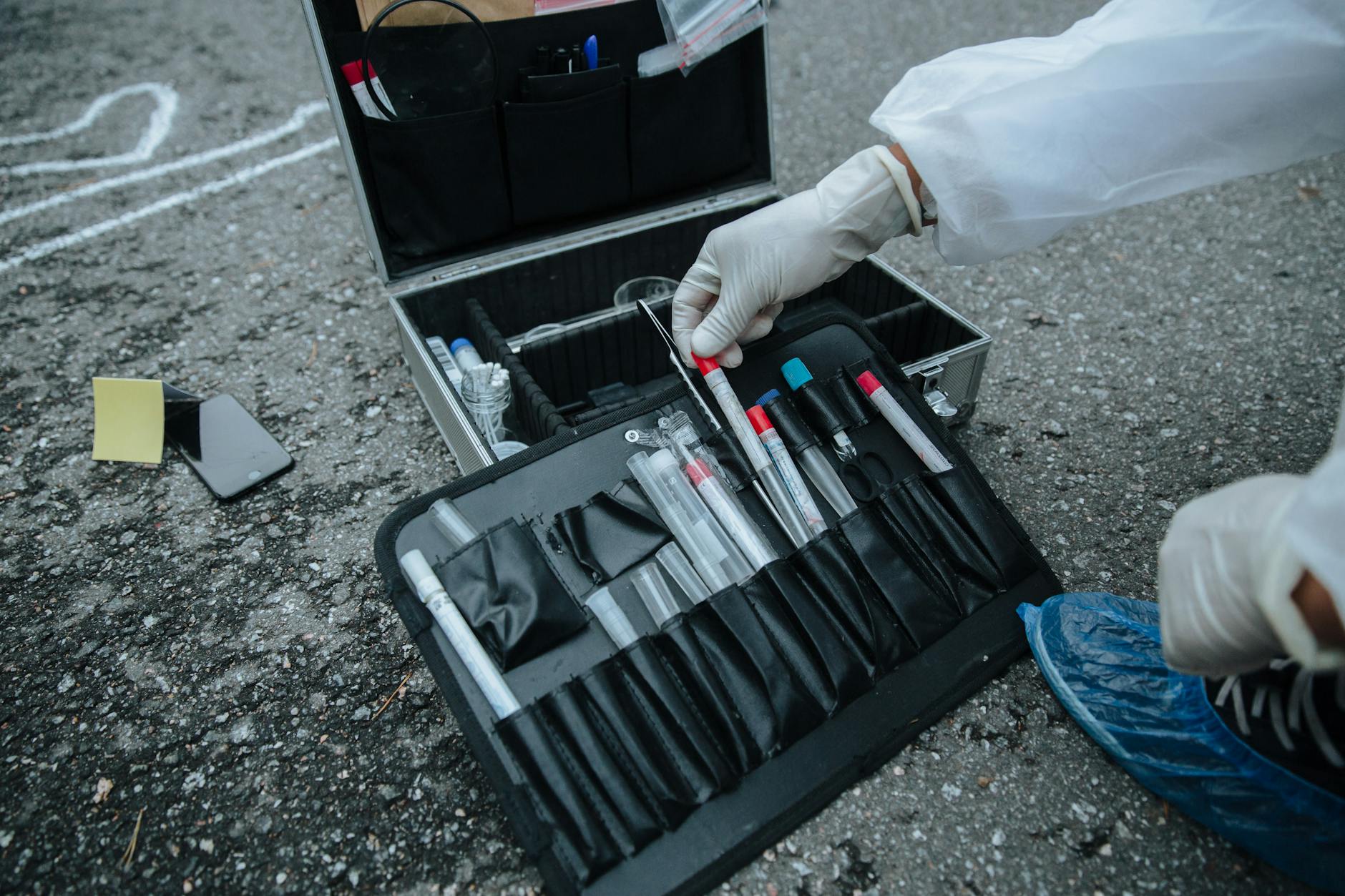
The investigation stalled early. Local police lacked the forensic capacity to conduct thorough toxicology tests, and no autopsy was performed immediately after the bodies were found. By the time tissue samples were sent for analysis weeks later, decomposition had rendered many tests inconclusive. Authorities were unable to confirm the presence of drugs, poisons, or other substances that might explain the deaths.
Witness accounts provided limited clarity. A bar owner in Niterói confirmed that two men matching the victims’ descriptions had purchased waterproof coats and the water bottle on the afternoon of August 17. The men reportedly seemed calm and purposeful, asking for directions to a remote area. A separate witness reported seeing two men in suits walking toward Vintem Hill that same day, accompanied by a third individual described only as unidentified. That third person was never located.
Investigators examined theories involving occult rituals, amateur radio experimentation, and accidental poisoning tied to the men’s work as electrical technicians. Both victims were known to have an interest in spiritualism, and acquaintances told police the men had previously attended sessions involving mediums and group rituals. Some reports suggested they believed certain metals and homemade devices could enhance spiritual communication or protect against electromagnetic interference.
No evidence conclusively supported any single explanation. The lack of a confirmed cause of death, combined with delays in the forensic process, left the inquiry procedurally incomplete.
Press coverage and public speculation
Brazilian newspapers covered the case almost immediately. The lead masks, the cryptic note, and the remote hilltop setting fueled national attention. Stories ranged from straightforward reporting on investigative gaps to speculative headlines suggesting extraterrestrial contact, covert experiments, and ritual sacrifice. The case became a fixture in tabloid crime coverage throughout the late 1960s and into the 1970s.
Public fascination was amplified by the Cold War context and Brazil’s political climate during the early years of military rule. Suspicion of clandestine activity, whether governmental or foreign, was widespread. Some outlets suggested the men had been involved in secret communications work or inadvertently exposed to hazardous materials. Others framed the deaths as evidence of occult movements operating beyond official oversight.
The inability of authorities to produce a definitive conclusion intensified coverage. News stories frequently cited the missing toxicology results, the unidentified third witness, and the absence of a clear motive. Over time, the lead masks case became a reference point in Brazilian crime journalism and a recurring subject in retrospectives on unresolved deaths.
What remains unresolved
Key questions remain unanswered decades later. The note’s reference to capsules was never explained, and no physical evidence of ingested substances was recovered or confirmed through testing. The identity and role of the third person reportedly seen with the victims were never established. The purpose of the lead masks, while consistent with some accounts of homemade spiritual or electromagnetic shielding, was never verified through documentation or surviving materials.
Theories persist, but none are supported by conclusive records. The most widely discussed explanations include accidental overdose during a planned spiritual ritual, deliberate suicide as part of a shared belief system, or exposure to an unknown substance during the men’s electronics work. Each scenario aligns with fragments of the available evidence but cannot account for all the details.
The case was never formally closed. Brazilian authorities have not issued updated findings or reopened the investigation in recent years. The original records, including witness statements and the notebook, are preserved in archives but have not been re-examined with modern forensic methods.
Where to look next
- Documentary: “Unsolved Mysteries” (Netflix)
- Book: “The World’s Most Mysterious Places” by Lonely Planet
- Podcast: “Unexplained” (Audioboom)