


Case overview
On June 3, 1995, a woman was found shot to death in room 2805 of the Oslo Plaza Hotel, registered under a false name with no identification, no labels in her clothing, and no way to confirm who she was. Norwegian authorities treated the death as a likely suicide, but the absence of gunpowder residue on her hands, the missing bullets, and the complete erasure of her identity left investigators with more questions than conclusions. Nearly three decades later, the Oslo Plaza woman mystery remains one of Europe’s most debated unidentified death cases.
The registration and the room
The woman checked into the Oslo Plaza Hotel on May 31, 1995, using the name Jennifer Fairgate. She listed a Belgian address in Verlaine that did not exist and provided no valid phone number. She was accompanied by a man identified in hotel records only as Lois Fairgate, who was never seen again and whose existence could not be confirmed.
Hotel staff noted that she spoke fluent English with what some described as a German or Flemish accent. She paid in cash, declined phone calls, and placed no room service orders after her initial meal. Security records showed she left the hotel briefly on June 2 and returned later that evening. No surveillance footage captured her departure or return in detail.
On June 3, a hotel employee knocked on the door of room 2805 after the woman failed to check out. When there was no response, security entered the room and found her on the bed, fully clothed, with a single gunshot wound to her forehead. A 9mm Browning pistol was in her right hand.
What was missing
Investigators found no identification, no passport, no wallet, and no personal documents. Every label had been removed from her clothing, including tags from her blouse, trousers, and shoes. The suitcases in the room contained additional garments, all missing labels, and a small collection of ammunition that did not match the rounds in the gun.
No room keys were found. The door had been double-locked from the inside, but her belongings suggested she had not planned to stay long. No toiletries, no makeup, and no hairbrush were recovered. Investigators found 25 additional bullets in the room. The spent cartridge from the fatal shot was never located.
Forensic examination revealed no gunpowder residue on her hands, a finding that typically accompanies a self-inflicted gunshot wound at close range. The gun was traced to a batch manufactured in Belgium, but no serial number led to a registered owner.
The autopsy and the timeline
The autopsy placed her age between 25 and 35 years old. She was approximately 5 feet 2 inches tall, with short dark hair and no distinctive scars or tattoos. Investigators estimated she had been dead for 24 to 36 hours before her body was discovered, but the timeline conflicted with witness accounts and hotel records.
A security guard reported hearing a gunshot around 7:50 p.m. on June 3, roughly 15 minutes before staff entered the room. If the shot occurred at that time, the decomposition observed during the autopsy did not align with such a narrow window. The discrepancy was never resolved.
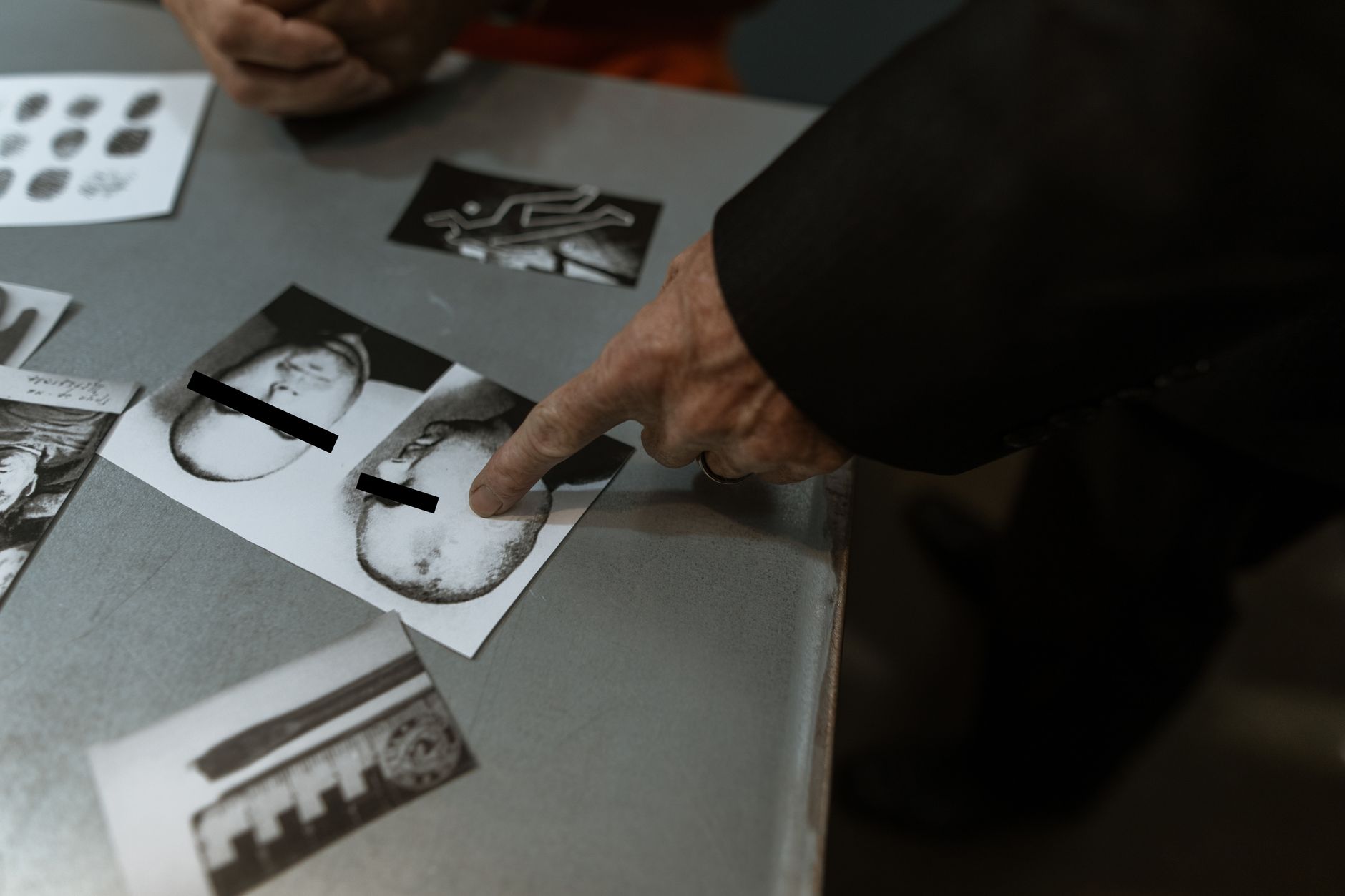
Dental records were preserved and circulated across Europe, but no match was identified. Fingerprints were taken, but Interpol and European law enforcement databases returned no results.
The investigation and competing theories
Norwegian police initially treated the death as a suicide, citing the locked door, the gun in her hand, and the absence of signs of struggle. The missing gunpowder residue, the removed clothing labels, and the lack of identifying material led some investigators to question that conclusion.
Theories ranged from intelligence work to organized crime. The woman’s methodical erasure of identity, the cash payments, and the unverifiable companion suggested operational discipline. Some investigators speculated she may have been involved in espionage or smuggling during a period of heightened tension in post-Cold War Europe. Others believed she may have been fleeing a threat and took her own life to avoid capture.
The missing bullets, the inconsistent timeline, and the unopened luggage raised further doubts. If someone else was in the room, they left no physical evidence. If the woman acted alone, the precision and planning suggested experience with covert operations.
Media coverage and renewed attention
Norwegian media covered the case extensively in the months following the discovery, but public attention faded as leads dried up. Investigators released sketches and dental records, but no family members, friends, or colleagues came forward.
Investigators revisited the evidence in 2016, using updated forensic techniques to analyze isotopes in her teeth and bones. The results suggested she may have spent her childhood in Eastern Europe or Germany, but no definitive origin could be confirmed.
The case appeared in several European cold case programs and was later featured in a widely viewed true crime documentary series. Public interest surged again, prompting renewed calls for DNA testing and genealogical databases to identify her through familial matches.
What remains unresolved
The identity of the Oslo Plaza woman has never been confirmed. No missing person report filed in Europe during the 1990s has matched her description or the forensic profile. The man listed as Lois Fairgate has never been located or identified. The missing clothing labels, the unaccounted bullets, and the forensic inconsistencies have left the case open to interpretation.
Norwegian authorities have not officially closed the investigation, but no active leads have emerged in recent years. The case remains classified as an unidentified death with unclear circumstances. Investigators continue to maintain the forensic evidence and remain open to new information.
The Oslo Plaza woman mystery endures as one of the most debated unresolved cases in Scandinavian crime history, shaped by the absence of answers, the deliberate erasure of identity, and the forensic contradictions that continue to challenge investigators nearly 30 years later.
Where to look next
- Documentary: “A Death in Oslo” (Unsolved Mysteries, Netflix)
- Podcast: “Death in Oslo” (Casefile True Crime)