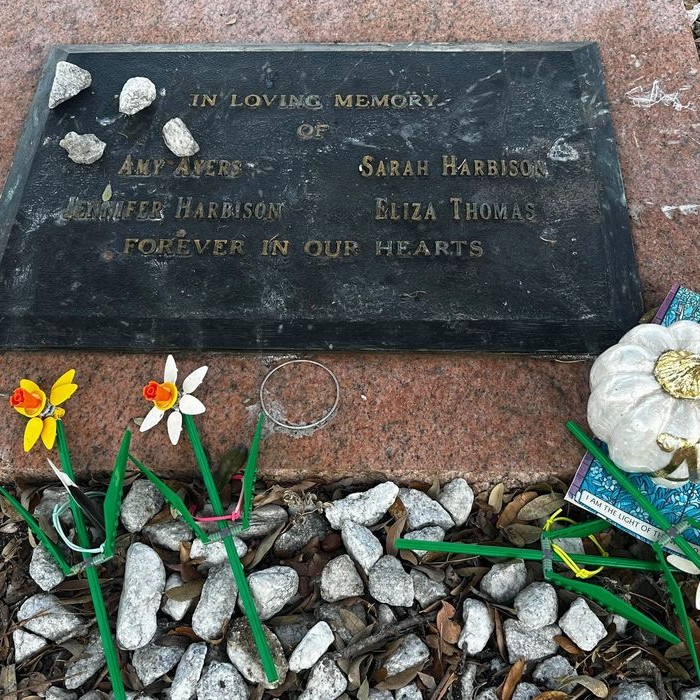
More than three decades after four teenagers were killed inside an Austin yogurt shop, a Travis County judge has formally declared the four original defendants “actually innocent,” even as new DNA evidence points to a deceased serial offender and leaves key questions about the investigation unresolved.
TLDR
A Travis County judge issued an actual-innocence finding for four men once charged in Austin’s 1991 yogurt shop murders, after prosecutors and new DNA evidence linked the crime to deceased serial offender Robert Eugene Brashers, shifting the case from contested convictions to a still-unfinished cold case.
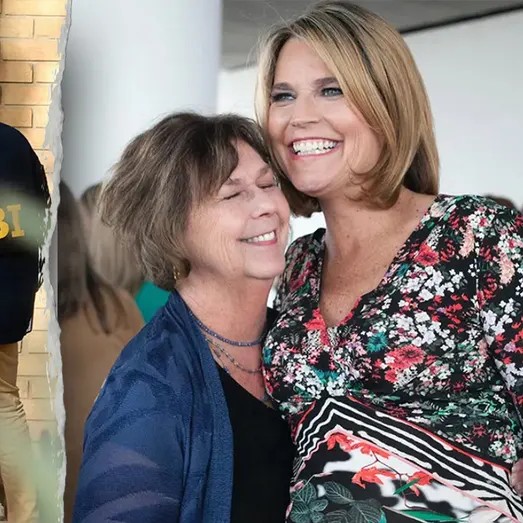
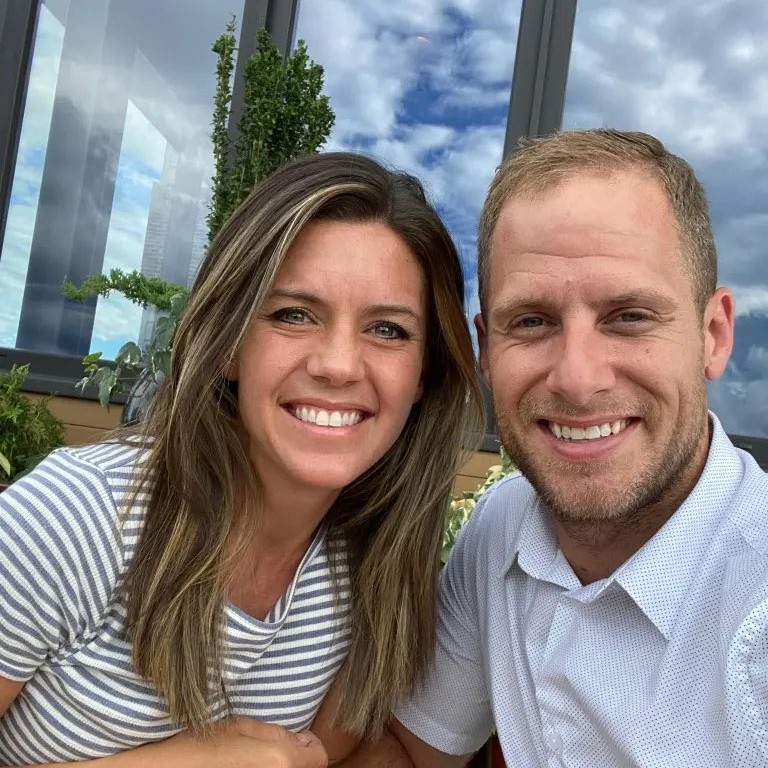
District Judge Dayna Blazey delivered the ruling in an Austin courtroom, closing a legal fight that stretched from the defendants’ teenage years into middle age. According to Fox News, Blazey told Michael Scott, Forrest Welborn, Robert Springsteen, and the late Maurice Pierce, through their families and representatives, that the court now viewed them as innocent of the notorious 1991 killings.
Two of the men, Scott and Welborn, sat in court as prosecutors reversed their long-held position and formally supported the innocence finding. Springsteen, who had once been sentenced to death, was not present. Pierce, who spent years in custody before charges were dropped, died in 2010 after a confrontation with police following a traffic stop.
A Rare Texas Finding of Actual Innocence
The ruling goes beyond dismissing charges or overturning convictions. In Texas, an official finding of actual innocence is a specific legal conclusion that a person did not commit the crime for which they were prosecuted. It is a relatively rare outcome that typically follows new evidence that undermines the original case.
Prosecutors now say that is what happened here. Travis County First Assistant District Attorney Trudy Strassburger told the court that, more than 25 years earlier, the state had prosecuted “four innocent men” for what she described as one of Austin’s worst crimes. “We could not have been more wrong,” she said, according to Fox News.
Such a finding carries practical consequences. Under Texas law, individuals who are declared actually innocent can pursue compensation for time spent in prison and for the long-term impact of a wrongful prosecution. Family members, some of whom addressed the court, framed the decision as an overdue public clearing of their names.
Men once wrongfully accused of Austin yogurt shop murders seek formal exonerationhttps://t.co/rX69cQj34z pic.twitter.com/DpwqKiLXX4
— The Washington Times (@WashTimes) February 20, 2026
Phil Scott, speaking about his son Michael, said his family had lived for more than 25 years with a public narrative that labeled his son “the monster” and “the murderer.” Addressing Michael directly, he said, “My son’s name has finally been cleared. Son, be proud.”
The 1991 Yogurt Shop Murders and a Contested Investigation
The case began on December 6th, 1991, when firefighters responded to a blaze at the I Can’t Believe It’s Yogurt shop in north Austin. Inside, they found the bodies of four girls: employees Eliza Thomas, 17, and Jennifer Harison, 17, along with sisters Sarah Harbison, 15, and Amy Ayers, 13, who were at the shop together.
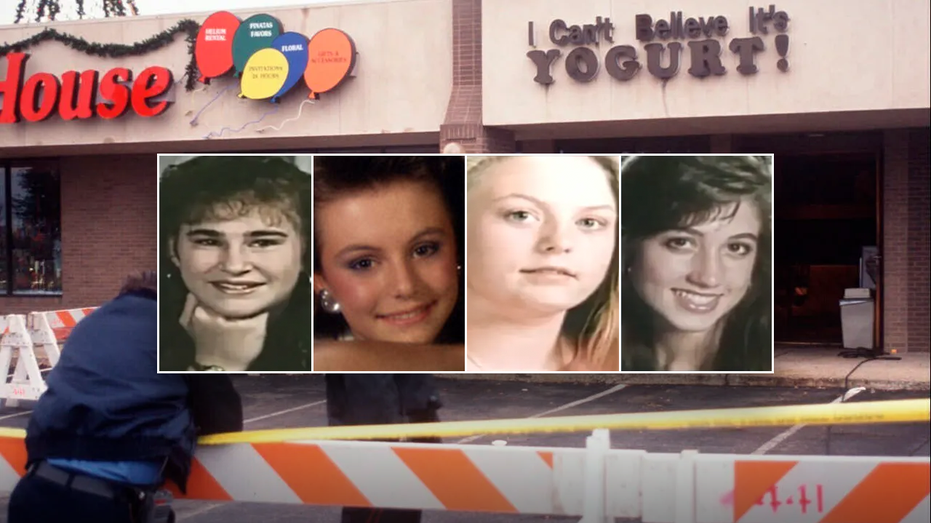
Investigators determined that each victim had been shot in the head. Authorities believed the girls had been bound, that some had been sexually assaulted, and that the fire had been intentionally set to destroy evidence. The brutality of the killings left a lasting mark on Austin and generated intense pressure on police to find those responsible.
Detectives pursued thousands of leads and, by their own later accounts, encountered multiple false confessions. In 1999, they arrested four men who had been teenagers at the time of the crime: Scott, Springsteen, Welborn, and Pierce. The cases turned heavily on statements that the men later said were coerced or obtained under intense pressure.
Juries convicted Springsteen and Scott, sending them to prison, and in Springsteen’s case, to death row. According to the Fox News account, both men consistently maintained that their confessions were unreliable and that they had not been involved in the killings. In the mid-2000s, appellate courts threw out both convictions, finding serious problems with the way the cases had been tried.
Welborn was charged but never went to trial after two separate grand juries declined to indict him. Pierce spent three years in jail before prosecutors dismissed the case against him. Still, the four men remained publicly associated with the yogurt shop murders, and the case returned to an unresolved status.
Vacated Convictions, Lingering Stigma
Even after the convictions were vacated and the charges dropped, the defendants and their families lived with the consequences of being linked to a notorious crime. Michael Scott told the court that the years spent under prosecution and in prison had upended his life.
He described losing his marriage and the chance to raise his daughter. “I lost my family. I lost my youth. My daughter was 3 years old when I was arrested. We had just celebrated our first wedding anniversary. I lost the chance to build a family,” Scott said. “Every day I have carried the weight of a crime I did not commit.”
Pierce did not live to hear his name formally cleared. His daughter, Marisa Pierce, told the court that even after her father’s release, investigators and prosecutors continued to scrutinize him. She linked that continued pressure to the later encounter with police during a traffic stop in which he was killed. Addressing her father in court, she said, “Daddy, you have your name back. The world knows what you were trying to say all along.”
The innocence finding does not alter the fact that the original investigation relied on disputed confessions and lacked physical evidence that clearly tied the four teenagers to the crime scene. It does, however, formally align the legal record with a reality that defense lawyers and families had argued for years: there was no reliable forensic evidence connecting the men to the killings.
DNA Shifts Focus to a Deceased Serial Offender
The procedural opening for the innocence ruling came after cold case detectives announced new forensic findings. In September 2025, the Austin Police Department said that advanced DNA testing and a review of ballistics had linked the yogurt shop killings to Robert Eugene Brashers, a serial offender who died in 1999 during a standoff with police in Missouri.
According to authorities cited by Fox News, DNA recovered from beneath victim Amy Ayers’ fingernails matched Brashers. That physical evidence ties him directly to at least one of the four victims inside the yogurt shop on the night of the crime.
Police also revisited ballistics evidence from the scene, entering data from a .380 caliber shell casing into a federal database. That entry matched an unsolved 1998 case in Kentucky that investigators said had similarities to the Austin murders. Details of those similarities were not publicly disclosed.
Brashers had already been linked through DNA evidence to a 1990 strangulation in South Carolina, the 1997 rape of a 14-year-old girl in Tennessee, and the 1998 fatal shootings of a mother and daughter in Missouri. He died by suicide during the 1999 Missouri standoff.
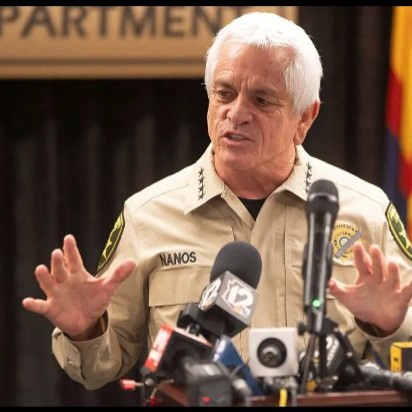
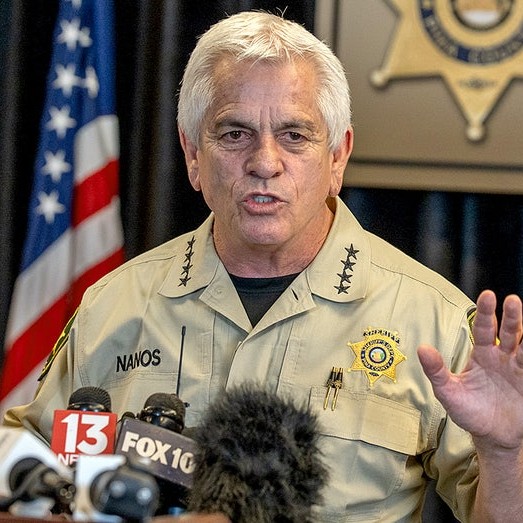
In a public statement announcing the new findings, Austin Police Chief Lisa Davis called the development a “significant breakthrough in one of the most devastating cases in our city’s history” and said the crime had weighed on the community and on detectives who had “tirelessly pursued justice.”
Records show that Brashers was stopped near El Paso two days after the yogurt shop killings while driving a stolen truck from Georgia to Arizona. Police confiscated a .380 caliber handgun during that stop, then later returned it to his father. Investigators have said that the weapon was the same make and model Brashers used when he died in Missouri.
Despite the DNA match and the ballistic leads, Brashers has never been charged in the yogurt shop case, and he cannot be because he is deceased. The new evidence instead operates as the foundation for clearing the four previously accused men and reframing the unsolved murders as part of a broader pattern of violent crimes attributed to Brashers.
Accountability, Compensation, and Unanswered Questions
Judge Blazey characterized her ruling as both a legal and moral imperative. From the bench, she called the order “an obligation to the rule of law and the obligation to the dignity of the individual.” For the men and their families, that dignity now includes the possibility of financial restitution and an official record that no longer labels them as killers.
An actual-innocence finding in Texas typically allows those wrongfully convicted to file claims for compensation for each year spent behind bars and, in some circumstances, for time spent under wrongful charges. How much any of the men or their families might receive, and how quickly, will depend on separate administrative and legal processes that extend beyond the courtroom declaration.
The ruling also raises questions for law enforcement and prosecutors who built and sustained the original cases. The early investigation, which centered on disputed confessions and circumstantial evidence, is now formally at odds with more recent DNA findings. Families of the victims and of the wrongfully accused may seek further explanation of why it took modern testing and a renewed push in 2025 to reexamine critical evidence.
For the victims’ relatives, the developments present a complex reality. They now have a named suspect linked by DNA to one of the victims, but that man is dead and will never stand trial in an Austin courtroom. Investigators are still examining how and why Brashers was in Austin on the night of the killings and whether anyone else was involved.
The yogurt shop murders, therefore, sit at an uncommon intersection of closure and uncertainty. The state now acknowledges that four men were wrongly prosecuted and, in two cases, wrongly imprisoned for years. At the same time, the community is left with an official narrative that points to a deceased serial offender, open questions about investigative decisions in the 1990s, and an unsolved case that may never receive a traditional trial and verdict.