Federal prosecutors say four defendants used 115 stolen identities to tap into about $1 million in food assistance and pandemic unemployment benefits, routing much of the money through a Massachusetts restaurant. The charging documents describe how the scheme allegedly worked in detail, but they do not yet explain how the personal data was first compromised or how long the thefts went undetected by benefit agencies.
According to the Justice Department and federal prosecutors, the case centers on alleged abuse of the Supplemental Nutrition Assistance Program, known as SNAP, and Pandemic Unemployment Assistance. The four defendants are accused, not convicted, and will have an opportunity to contest the charges in court.
Alleged Multi-State Fraud Built on Stolen Identities
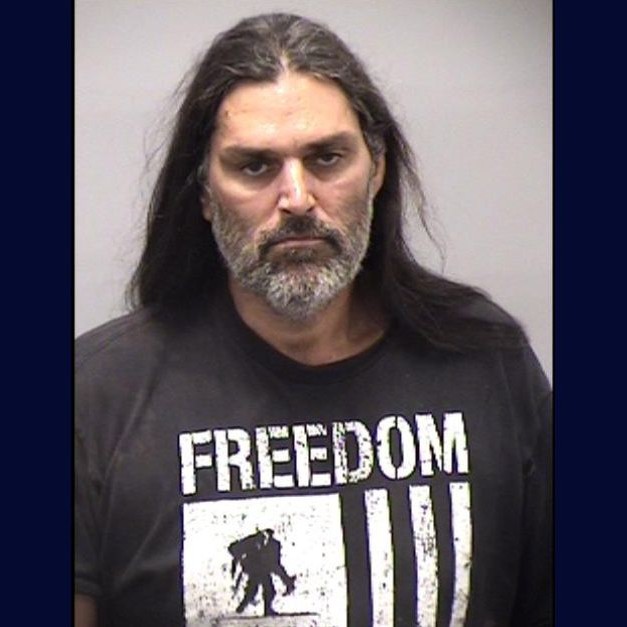
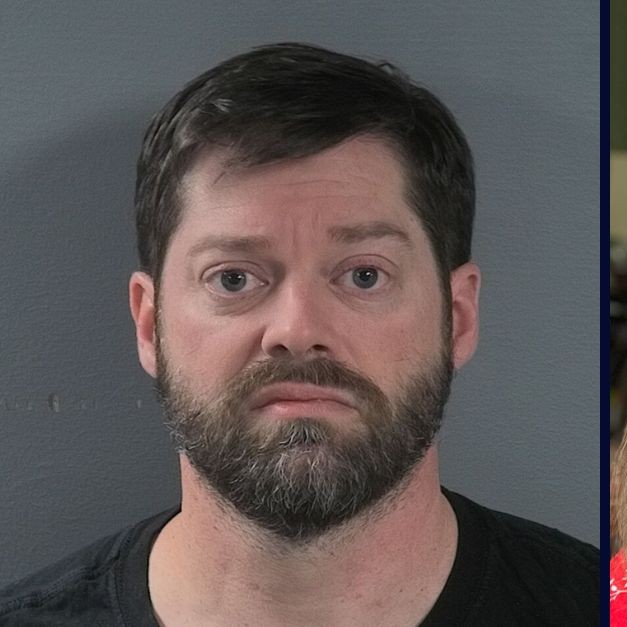
Federal prosecutors identified the defendants as Joel Vicioso Fernandez, 42, and Raul Fernandez Vicioso, 37, both from Fitchburg, Massachusetts, and Roman Vequiz Fernandez, 32, and Coralba Albarracin Siniva, 24, both Venezuelan nationals living in Leominster, Massachusetts. Prosecutors say two of the four are Venezuelan citizens and that Raul Fernandez Vicioso is a Dominican citizen.
According to charging allegations, the four purchased or otherwise obtained stolen personal information tied to at least 115 real people scattered across the United States, including six children. That information allegedly included names, Social Security numbers, and dates of birth that are commonly required to apply for public benefits.
Prosecutors say the group then used those identities to file SNAP applications in Massachusetts and Rhode Island, and to seek Pandemic Unemployment Assistance from Massachusetts, New York, Pennsylvania, Ohio, Washington, and Nevada. In SNAP filings, the defendants allegedly assembled the stolen identities into 24 purported households, all claiming to live in just two single-family apartments in Providence, Rhode Island.
The federal complaint states that the applications were submitted in the names of more than 100 people, even though the listed addresses could not plausibly house that many residents. Investigators say this clustering of many applicants at only two residences was a key red flag that later helped expose the scheme.
According to prosecutors, the alleged unemployment fraud followed a similar pattern. Between April 2020th and December 2021st, the defendants are accused of filing Pandemic Unemployment Assistance applications using at least 29 different stolen identities. Each application allegedly listed El Primo Restaurant, a business in Leominster, as the residential address, a detail that investigators say tied the unemployment filings back to the same operation.
Restaurant at Center of Alleged Benefit Diversion
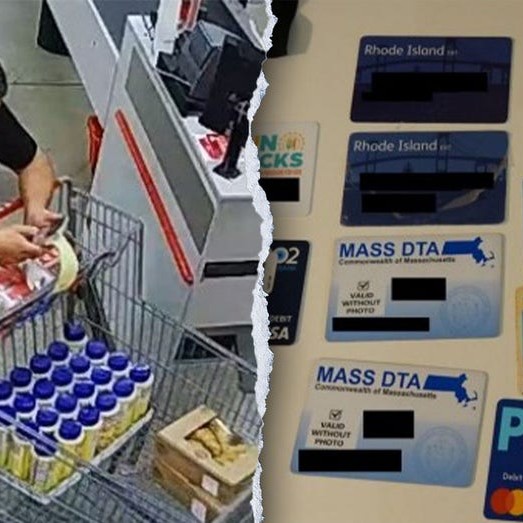
Prosecutors say El Primo Restaurant, operated by Raul Fernandez Vicioso in Leominster, was more than incidental to the alleged fraud. In SNAP records, investigators reportedly found that benefit cards linked to the stolen identities were used to make bulk food purchases at wholesalers and local food markets, including large quantities of chicken, beef, and pork.
According to the Justice Department, those purchases did not go to the people whose names were on the cards. Instead, authorities say, the food was used to stock El Primo Restaurant at minimal cost to the business.
“With their supplies obtained for free through fraudulent SNAP benefits, they prepared and then sold menu items at El Primo Restaurant at a complete profit, later wiring the fraud proceeds, among other places, to individuals living in Venezuela and the Dominican Republic,” the Justice Department said.
Rave reviews for El Primo in Leominster! Make yr. reservations ahora! Who knows how long until los federales arrive?
Four Charged in Multi-State SNAP and PUA Fraud Conspiracy https://t.co/uz0YJOIoVc pic.twitter.com/0uj1ctU4H4
— Howie Carr (@HowieCarrShow) February 3, 2026
The alleged link between the restaurant and the stolen identities extends beyond grocery spending. Prosecutors say the defendants submitted images of counterfeit passports and passport cards to support some of the fraudulent applications. Digital metadata for those images, according to investigators, indicated that the photos were taken inside or near El Primo Restaurant.
In the unemployment portion of the scheme, authorities say applications directed payments to accounts tied to the restaurant and to the defendants themselves. Prosecutors allege that approximately $700,000 in Pandemic Unemployment Assistance was approved through fraudulent claims. Of that amount, they say about $276,021 was deposited into bank accounts held in the names of El Primo Restaurant, Raul Fernandez Vicioso, Joel Vicioso Fernandez, and other alleged co-conspirators.
Searches, Seized Evidence, and Specific Charges
Investigators executed search warrants at Raul Fernandez Vicioso’s home and at El Primo Restaurant. According to prosecutors, they recovered Massachusetts and Rhode Island electronic benefit transfer cards that had been obtained fraudulently, as well as documents tied to the Providence addresses that were used on SNAP applications.
Agents also reported finding printed ledgers and handwritten lists containing more than 100 identities, along with mail related to SNAP benefits. Prosecutors point to these paper records as evidence that the defendants tracked the use of stolen identities and the flow of benefits.
All four defendants are charged with conspiracy to use, transfer, acquire, and possess SNAP benefits. Prosecutors allege that each participated in the broader plan to divert benefits from eligible recipients to the restaurant and associated accounts.
In addition, Raul Fernandez Vicioso, described in the charging documents as operating El Primo Restaurant, faces a longer list of counts. He is charged with conspiracy to commit SNAP fraud, conspiracy to commit wire fraud, SNAP benefit fraud, aiding and abetting, and money laundering. Those charges reflect the government’s claim that he helped orchestrate the benefit diversion and move proceeds through financial institutions.
The remaining three defendants, Joel Vicioso Fernandez, Roman Vequiz Fernandez, and Coralba Albarracin Siniva, are charged with conspiracy to use, transfer, acquire, and possess SNAP benefits. At the time of the initial announcement, prosecutors had not publicly detailed each defendant’s alleged role beyond the shared conspiracy allegations.
All four defendants are presumed innocent unless and until they are proven guilty in court. The government will need to connect the seized records, benefit transactions, and financial transfers to each individual defendant’s actions in order to secure convictions.
Gaps in the Record and Oversight Questions
While the charging documents outline how the alleged fraud functioned within government systems, they leave significant questions unresolved. Prosecutors have not publicly explained how the defendants first obtained the 115 identities, especially those belonging to children. The available reporting does not indicate whether the information was bought from other criminals, harvested from data breaches, or obtained through more targeted theft.
The case also highlights challenges facing agencies that administer SNAP and emergency unemployment programs. Authorities allege that two addresses in Providence and one restaurant address in Leominster were used repeatedly in applications across multiple states. It is not yet clear how long those patterns persisted before benefit systems flagged the anomalies.
SNAP is designed to provide monthly food assistance for low income households, while Pandemic Unemployment Assistance was created in 2020 to cover workers who did not qualify for traditional unemployment insurance. Both rely heavily on accurate identity information. When that information is stolen, as alleged here, public agencies may pay out benefits to impostors while legitimate recipients face delays or denials.
Prosecutors have said that victims of identity theft in benefit fraud cases can face tax complications, credit issues, or disruptions in their own access to assistance. In this case, public filings do not yet indicate how many of the 115 identity theft victims have been notified, or whether any have had their benefits restored or corrected.
The alleged scheme spans at least six states for unemployment benefits and two states for SNAP. That multistate footprint raises questions for lawmakers and oversight officials about data sharing, fraud detection tools, and the speed at which patterns of repeated addresses or bank accounts are identified across jurisdictions.
What Comes Next in the Case
The charges announced by federal prosecutors mark an early stage in the legal process. Future court filings are likely to provide more detail about the alleged roles of each defendant, the precise amount of money involved, and how investigators traced the fraud across benefit systems and financial institutions.
Defense attorneys may challenge the admissibility of seized evidence, the interpretation of digital metadata, or the government’s account of who controlled the bank accounts and benefit cards. The outcome will turn on whether prosecutors can show, beyond a reasonable doubt, that each defendant knowingly joined and advanced the alleged scheme.
At the same time, the case joins a broader wave of federal prosecutions focused on pandemic-era fraud, particularly involving programs that were expanded quickly in 2020. How courts and policymakers respond to this and similar cases will shape future safeguards for programs intended to serve people in need.
For now, the record publicly available through prosecutors’ statements and reporting answers how the alleged operation functioned once identities were in hand, but not how those identities were first compromised or how soon the people behind those names learned that someone else had been spending in their place.