

After a 911 call in which a Dayton, Ohio, man allegedly said his girlfriend “got what she deserved,” prosecutors have charged 34-year-old Jayme Rogers with murder in the shooting death of 33-year-old Jaime Dick. Investigators have not publicly detailed what led up to the fatal encounter or verified his claim that she was unfaithful.
TLDR
Ohio investigators say 34-year-old Jayme Rogers called 911 to report allegedly shooting girlfriend, Jaime Dick, in Dayton, then surrendered to officers at the scene. He is jailed on murder, assault, and weapons charges, with a bond set at $1 million and a hearing on February 20th.
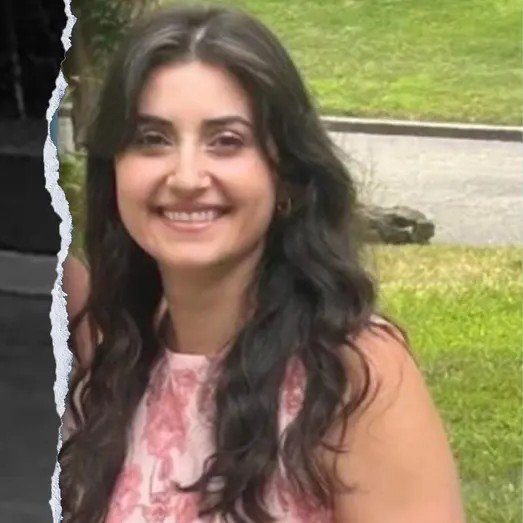
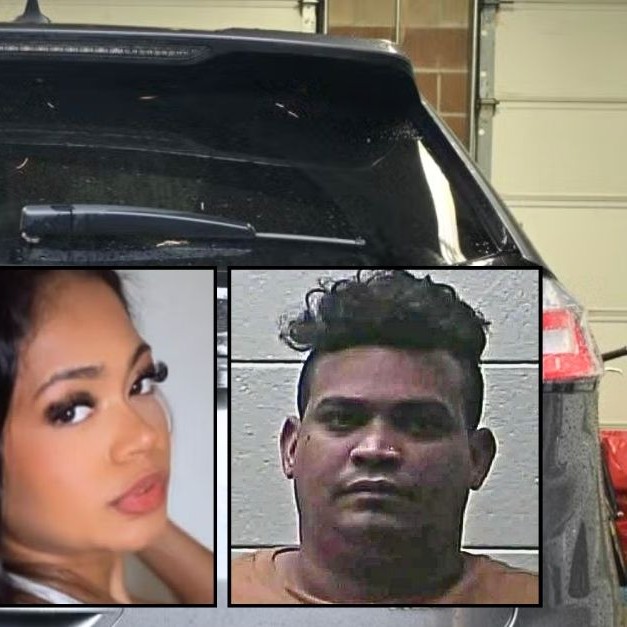
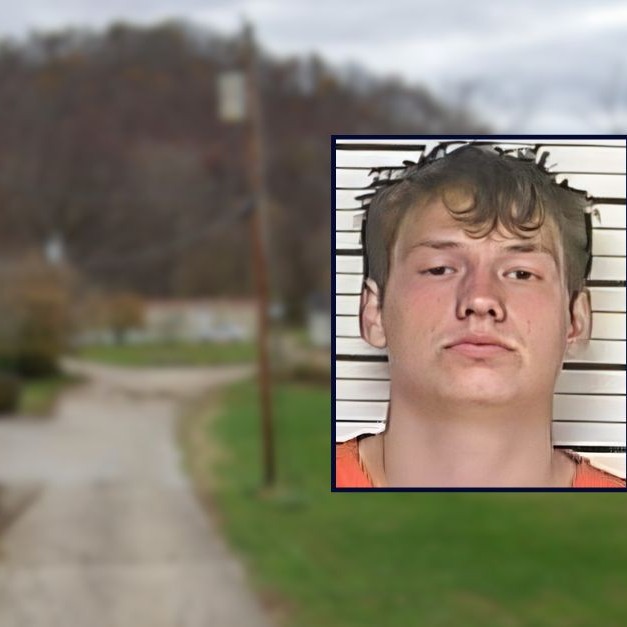
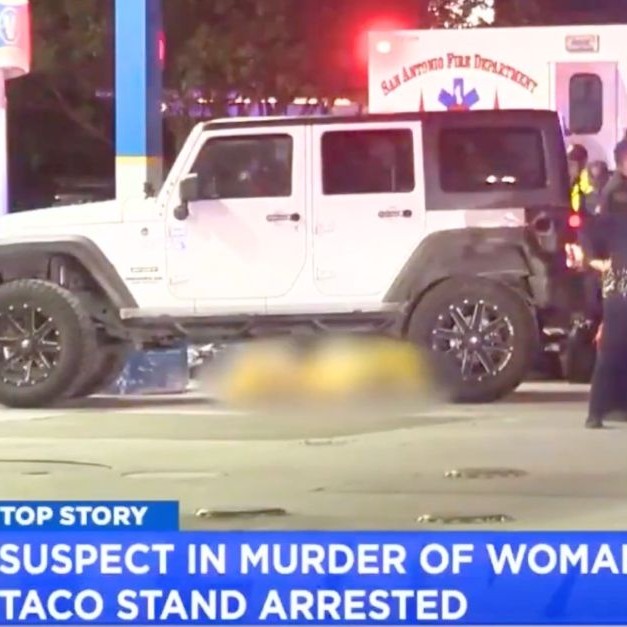
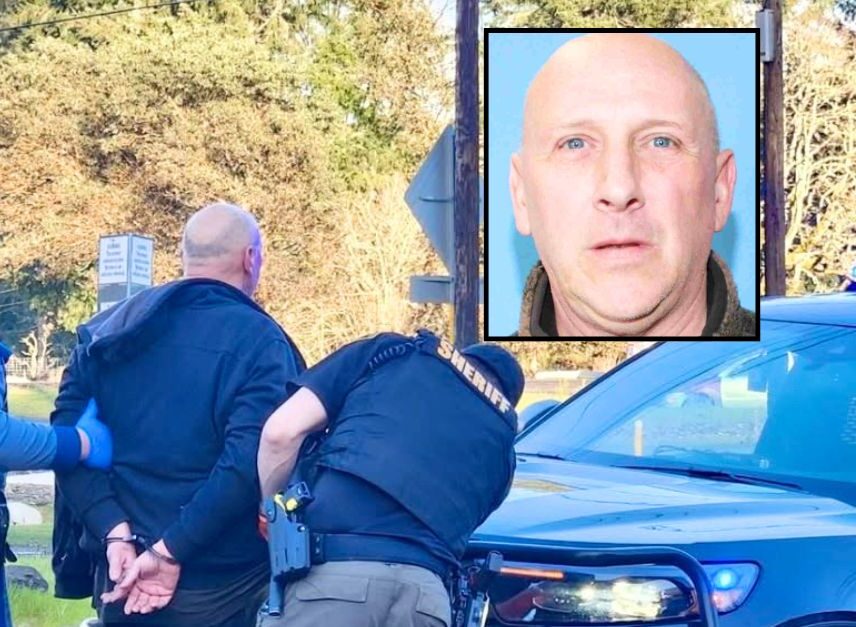
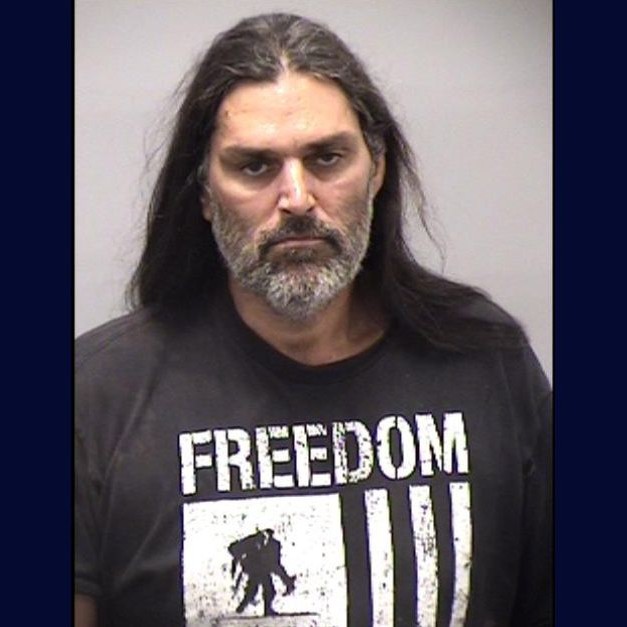
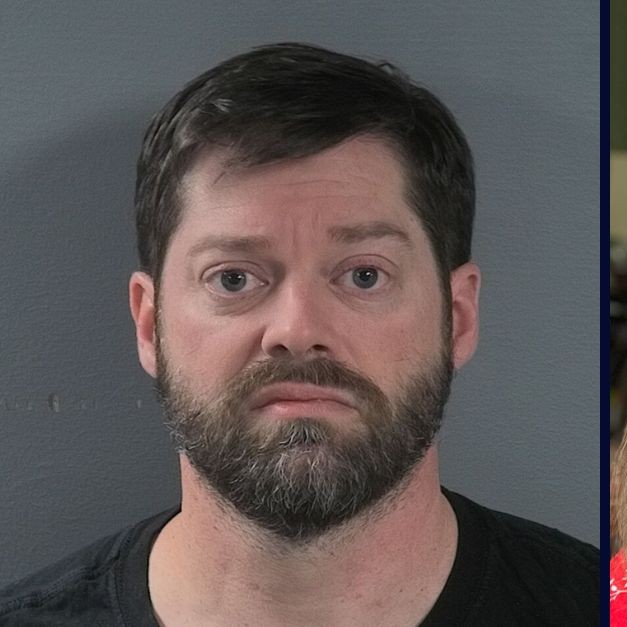
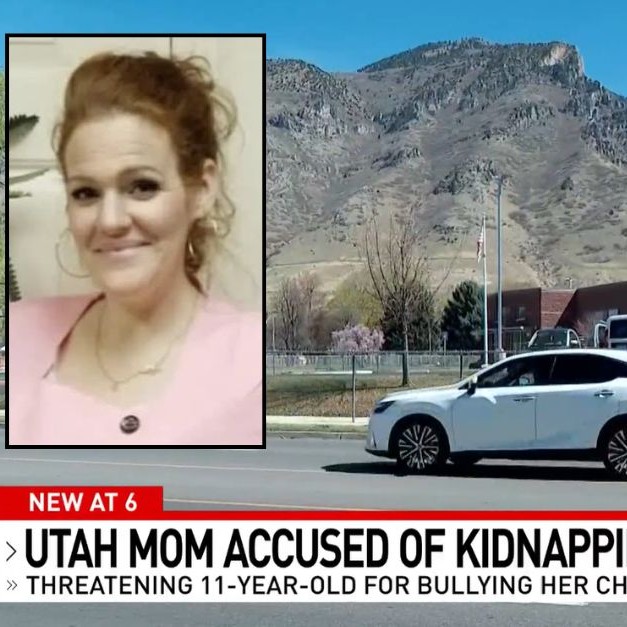
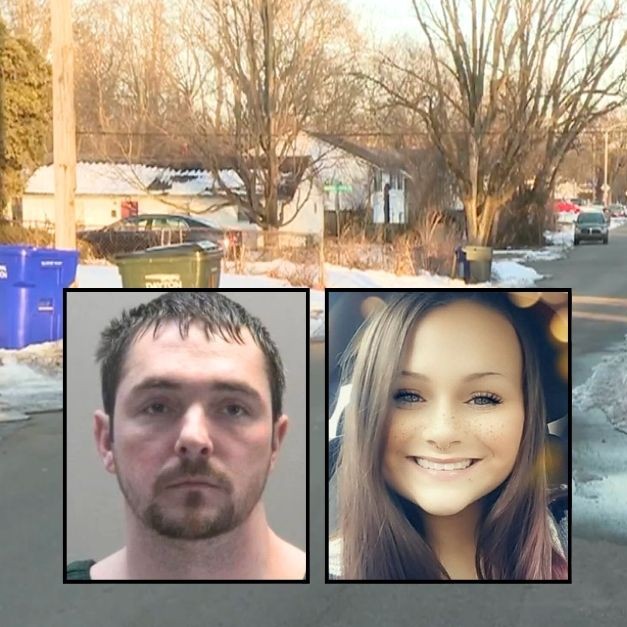
Booking and memorial photographs of Rogers and Dick, along with an image of the Dayton neighborhood where police say the shooting took place, have circulated widely since the charges were filed.
The 911 Call and Discovery
According to reporting by Lawandcrime, citing online court records and an arrest affidavit, Rogers called 911 early on a Tuesday in February 2026. In that call, he allegedly told a dispatcher that Dick had been shot and that she had, in his words, “got what she deserved.”
Local outlet WHIO, which reviewed the affidavit, reported that officers later found Dick in a running car near her home in Dayton at around 2 a.m. She was unresponsive and had been shot multiple times. The passenger window of the vehicle was damaged, and investigators documented bullet casings on the street and sidewalk near the car.
Lawandcrime, summarizing court documents and the 911 recording, reported that Rogers began the call by saying, “Get here quick, someone is shot.” He allegedly went on to warn that he was not going out without a fight, language that police and prosecutors are now examining alongside the physical evidence.
When officers arrived at the scene, Rogers walked out of a nearby residence and was taken into custody. According to the accounts described in media reports, he repeatedly admitted to shooting Dick and said he believed she had been unfaithful to him. Authorities have not publicly described any independent evidence supporting or disproving that allegation.
Charges, Bond, and Legal Process
Court records described by Lawandcrime show that prosecutors have charged Rogers with four felonies. The lead count is murder, which in Ohio generally covers purposely causing the death of another person. He is also charged with felonious assault, having weapons while under disability, and discharging a firearm on or near prohibited premises.
The weapons-under-disability charge indicates that, under Ohio law, Rogers was allegedly prohibited from possessing a firearm because of a prior conviction or another legal restriction. The discharging-a-firearm count reflects prosecutors’ claim that shots were fired in a location where gunfire is legally restricted, which can increase potential penalties.
Lawandcrime reports that a judge set Rogers’ bond at $1 million after his arrest. He remains jailed while awaiting further proceedings, and his next court appearance is scheduled for February 20th. At that hearing, the court is expected to address scheduling, and prosecutors may present additional details about the evidence they say supports the charges.
In cases built around a 911 call and rapid police response, key pieces of evidence often include the recording of the call, statements made at the scene, physical evidence from the vehicle and roadway, and forensic work on any recovered firearm. Defense attorneys in similar cases frequently scrutinize whether a defendant’s statements were voluntary, whether they were accurately documented, and how they fit with the medical and ballistic findings.
Rogers has been charged but not convicted, and he is presumed innocent unless and until he is found guilty in court. As of mid February 2026, publicly available reporting has not included any statement from a defense attorney on his behalf addressing the allegations.
Competing Accounts of Motive
Rogers statements on the 911 call, as described by Lawandcrime and the Dayton Daily News, portray the shooting as a response to suspected infidelity. In those accounts, he allegedly framed Dick’s death as something she deserved and signaled a willingness to resist arrest.
Public documents and news reports reviewed so far, however, do not indicate that investigators have released any findings about the couple’s relationship dynamics or the claim that Dick had been unfaithful. At this stage, the only description of a motive in the public record comes from the defendant’s own alleged statements.
In intimate-partner homicide prosecutions, arguments over jealousy and fidelity are often cited as context for violence, but they carry no legal justification for the use of deadly force. Prosecutors tend to introduce such statements to establish intent, while judges and juries are asked to evaluate them alongside physical evidence and any history of prior conflicts or threats.
Whether investigators will eventually present evidence about earlier incidents between Rogers and Dick, or about any prior contacts with law enforcement, is not yet known. Those details, if they emerge in future filings or testimony, could shape how a judge or jury understands the events leading up to the shooting.
Remembering Jaime Dick
Amid the procedural language of charges and affidavits, the only detailed public account of Jaime Dick’s life comes from her obituary. The memorial notes that the 33-year-old was a mother of two and is survived by her children and extended family.
“Jaime will be remembered as a loving mom, a devoted daughter, and the very best sister a family could ever ask for,” the obituary states. “She was a beautiful soul in every sense of the word, inside and out, whose kindness, strength, and unwavering love left a lasting mark on everyone who knew her.”
The obituary does not address the circumstances of her death, instead focusing on her relationships, personality, and the people she leaves behind. It stands in contrast to the sparse, clinical descriptions of the crime scene in police affidavits, underscoring how much remains unknown about her final hours.
As the case moves through the courts, the public record will likely grow to include autopsy findings, ballistics reports, and transcripts of the 911 call. For now, the basic framework is set: a 911 call in which a boyfriend allegedly admits to shooting his partner, a scene documented by responding officers, and a set of felony charges that could lead to a lengthy prison sentence if he is convicted.
The next scheduled court date on February 20th may bring additional filings and arguments from both sides. It remains to be seen what further details about the couple’s relationship, the moments before the gunfire, and the full contents of the 911 call will emerge when the case is tested in court.