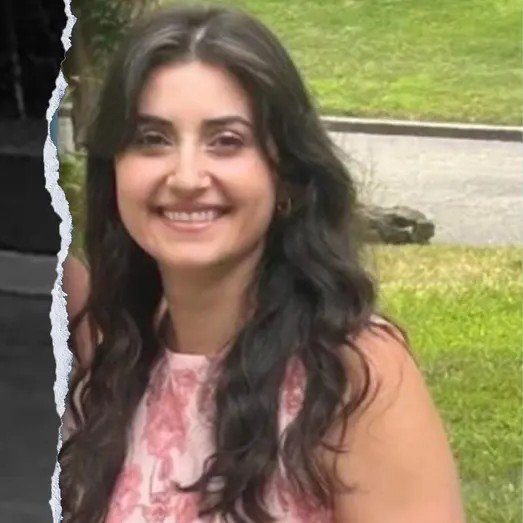


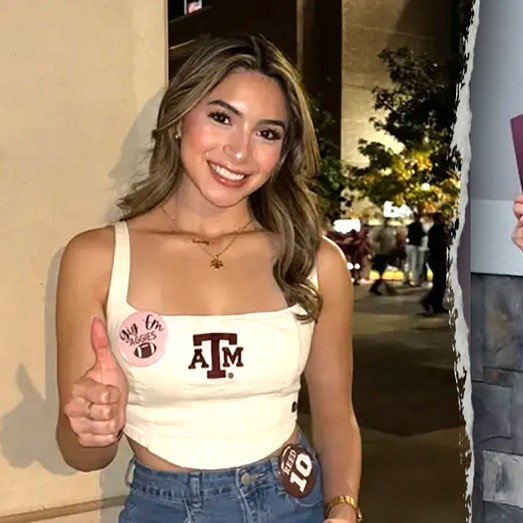
The Travis County Medical Examiner has ruled 19-year-old Texas A&M student Brianna Aguilera’s fatal fall from an Austin high-rise a suicide, a conclusion that matches police findings but is now under legal challenge from her family, which alleges the investigation was cursory and incomplete.
TLDR
Texas A&M student Brianna Aguilera died after a fall from an Austin high-rise in November. The medical examiner ruled the death a suicide, in line with Austin police, while her family’s attorney accuses authorities of a rushed, incomplete probe and has filed a civil lawsuit.
A Night Out and a Fatal Fall
According to reporting from Fox News, Aguilera, a 19-year-old Texas A&M student, died after falling from a high-rise apartment in Austin in the early morning hours of November 29th, following a Texas A&M versus University of Texas football tailgate. Police records cited in that reporting place the time of the fall at about 1 a.m.
Attorneys for Aguilera’s family have not disputed that she fell from the building. The central conflicts now concern why she fell and whether law enforcement and medical officials relied on a sufficiently thorough record when classifying her death as a suicide.
The case sits at the intersection of several processes that often move on separate tracks. Austin police continue to describe the death investigation as open. The medical examiner has reached a formal conclusion about the manner of death. The family, represented by high-profile attorney Tony Buzbee, has turned to civil court to force testimony and records they say police never fully gathered.
Medical Examiner’s Ruling and Open Police Case
Fox News, citing officials in Travis County, reported that the medical examiner’s office completed its autopsy and determined that Aguilera died by suicide. The ruling aligns with the Austin Police Department’s working conclusion about the case.
In a written statement provided to a local affiliate and quoted by Fox News, Austin police said: “Austin Police (APD) is aware that the Travis County Medical Examiner’s Office has concluded its final autopsy report regarding the death of Brianna Aguilera and ruled it a suicide. The investigation remains open, and until it is closed, Austin Police will not be providing any additional information.”
The statement establishes two procedural facts. First, the medical examiner has finalized a report and labeled the manner of death as suicide. Second, the police department, which typically serves as the primary investigative agency in such cases, is not yet willing to close its investigation or publicly disclose additional details that informed its view.
According to Fox News, attorneys for Aguilera’s family have previously acknowledged the existence of what has been described as an alleged suicide note and suicidal text messages to friends on the night of her death. Those materials have not been released publicly, and independent access to them is limited to law enforcement and parties close to the family.
Absent public access to the autopsy report, the note, or the messages, it is not possible to independently evaluate the weight each piece of evidence carried in the medical examiner’s finding. The family’s objections, however, are now a matter of record through their attorney’s written statements and their recently filed lawsuit.
Family’s Attorney Alleges Incomplete Investigation
In a statement obtained by local outlet FOX 7 and reported by Fox News, Buzbee sharply criticized the police investigation and, by extension, the medical examiner’s reliance on it.
He wrote that, following Aguilera’s death, there had been an outpouring of public support for the family, but also significant criticism about how authorities handled the case. He accused Austin police of reaching a suicide conclusion without conducting what he viewed as a legitimate or thorough inquiry.
“Specifically, the Austin Police Department, without a legitimate investigation, quickly concluded that Brianna’s death was a suicide. This effort was far from what’s expected of law enforcement,” Buzbee wrote, according to Fox News.
He went on to allege a series of investigative failures. The statement asserted that investigators did not review Aguilera’s phone records or the records of those immediately connected to her or present at the scene. Buzbee further claimed that police failed to interview all potential witnesses, failed to take statements under oath, failed to create an accurate timeline, and failed to secure available video footage.
In the same statement, Buzbee criticized what he described as limited follow-up by authorities, writing that officers did not interview certain witnesses identified by the family’s legal team. He summarized his position in stark terms: “To be clear. The Austin Police Department’s ‘investigation’ fell woefully short. Brianna deserved better. Her family deserves better.”
These assertions are allegations from the family’s attorney, not findings from a court or an independent review. Austin police have not publicly responded point by point to the claimed investigative gaps, beyond maintaining that the investigation remains open and declining further comment.
Challenging the Medical Examiner’s Conclusion
Buzbee has linked his criticism of the police investigation directly to the medical examiner’s ruling. According to Fox News, he described the suicide determination as expected, asserting that it relied heavily on what he characterizes as incomplete or flawed police work.
From a procedural perspective, medical examiners often depend on information gathered by law enforcement, including scene reports, witness statements, and digital evidence. When that underlying record is disputed, families sometimes seek to challenge the manner-of-death classification, either through independent experts or through litigation aimed at uncovering more evidence.
In this case, Buzbee has framed the challenge as a call for a more robust investigation rather than a fully articulated alternative theory of what occurred in the apartment before Aguilera fell. He has emphasized process, alleging that officials did not exhaust available avenues of inquiry before reaching a conclusion with profound implications for the family and for the public record.
As of mid-February 2026, there is no indication in public reporting that the medical examiner’s office plans to revisit its ruling. The office has not publicly responded in detail to Buzbee’s criticisms, and there is no formal mechanism described in the reporting for reopening the manner-of-death classification absent new evidence.
Civil Lawsuit as a Tool for Discovery
On January 5th, Buzbee’s firm filed a lawsuit related to Aguilera’s death, according to Fox News. The precise claims and named defendants were not fully detailed in the available reporting, but the attorney has described the suit as a means to obtain evidence he says police failed to collect.
Attorneys for the family have stated that civil litigation will allow them to put witnesses under oath, subpoena records, and compel cooperation from individuals who may have relevant information. In their public framing, the goals include securing phone records, obtaining any available surveillance footage, and taking sworn testimony from people who were with Aguilera or nearby on the night she died.
“We will do what the police and other authorities have failed to do,” Buzbee wrote, according to Fox News. “We will perform a complete and thorough investigation and get the answers that Brianna and her family deserves. The medical examiner’s flawed conclusion changes nothing.”
Through civil discovery, plaintiffs can require parties and, in some instances, nonparties to turn over documents and sit for depositions. That process does not determine criminal guilt or innocence, but it can surface information that was not previously public and can create a more detailed timeline of events.
At the same time, civil allegations remain unproven until tested in court, either through pretrial rulings, settlement, or trial. The defendants in the case, once publicly identified, will have an opportunity to respond, move to dismiss, or contest the factual claims underlying the family’s narrative.
What Remains Unresolved
Several key questions about Aguilera’s death and its investigation remain unanswered in the public record. The Austin Police Department has not disclosed a full investigative file, citing the ongoing status of the case. The Travis County Medical Examiner’s detailed autopsy report is not included in the available reporting. The full contents of the alleged note and messages that preceded the fall have not been released.
It also remains unclear which witnesses have already spoken to police, what additional witnesses Buzbee’s team has identified, and whether any surveillance or cellphone video exists that captures Aguilera’s final movements. The family’s attorneys assert that these gaps reflect investigative failings. Without access to the full case file, outside observers cannot independently verify how much of this material the police did or did not pursue.
What is documented is a growing procedural split. On one side, the medical examiner has labeled the death a suicide, and Austin police have publicly aligned with that manner-of-death finding while holding the case open. On the other side, the family, through counsel, alleges a rushed investigation, disputes the sufficiency of the evidence behind the suicide ruling, and is using civil court to demand more information.
For the Aguilera family, the stakes are not only legal but deeply personal. For law enforcement and medical officials, the case raises broader questions about how thoroughly potential suicides are investigated, how much transparency agencies provide when cases remain open, and how families can seek review when they believe the system has failed.
If you or someone you know is thinking about suicide, help is available by calling or texting 988, or by contacting the Suicide and Crisis Lifeline at 1-800-273-8255.
As the lawsuit moves forward and Austin police decide whether and when to close their investigation, it is not yet clear whether any new evidence will emerge that supports or contradicts the current suicide ruling, or whether the official record of Aguilera’s death will remain unchanged.