Prosecutors in eastern Oklahoma have charged 70-year-old Elizabeth Poteete with first-degree murder after her husband, former Cherokee Nation Supreme Court Justice Troy Poteete, was found shot in a chair with a CPAP machine on his face, yet investigators are still sorting out her claims that she fired because she feared being killed herself.
TLDR
Oklahoma prosecutors have charged 70-year-old Elizabeth Poteete with first-degree murder after her husband, former Cherokee Nation Supreme Court Justice Troy Poteete, was found shot in a chair. Her claim that she acted in fear now sits against deputies’ notes about a possible mental episode.
From 911 Call to Arrest
According to Law&Crime, citing a probable cause affidavit, dispatchers in Sequoyah County received a 911 call at 11:17 p.m. on February 6th, 2026. The caller, identified as Elizabeth Poteete, allegedly told them she had shot her husband several times and that “she would be waiting for deputies on the porch of her residence.”
Deputies from the Sequoyah County Sheriff’s Office went to the couple’s home in rural eastern Oklahoma, where they found 70-year-old Troy Wayne Poteete sitting in a chair with multiple gunshot wounds. He was wearing a CPAP machine used for sleep apnea, according to the affidavit, and was pronounced dead at the scene after deputies attempted lifesaving measures.
Investigators wrote that when they arrived, Elizabeth Poteete told them she was the one who had shot her husband. She was taken into custody and later charged with one count of first-degree murder. Both were 70 years old, and public records describe Troy Poteete as a former justice on the Cherokee Nation Supreme Court.
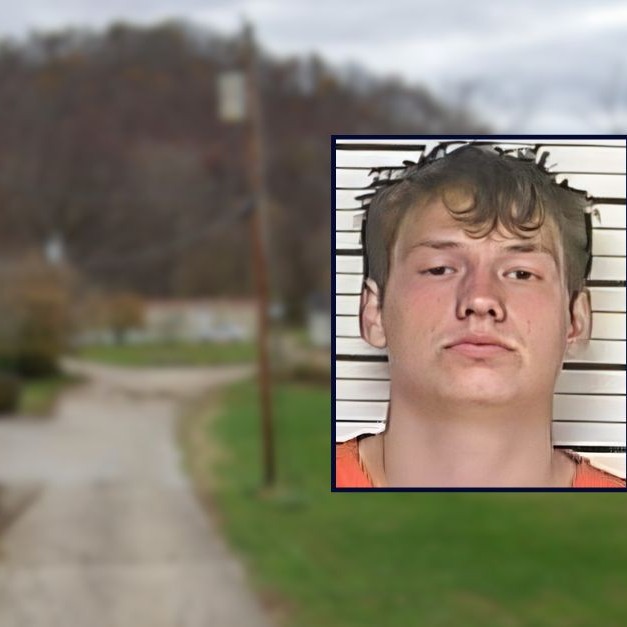
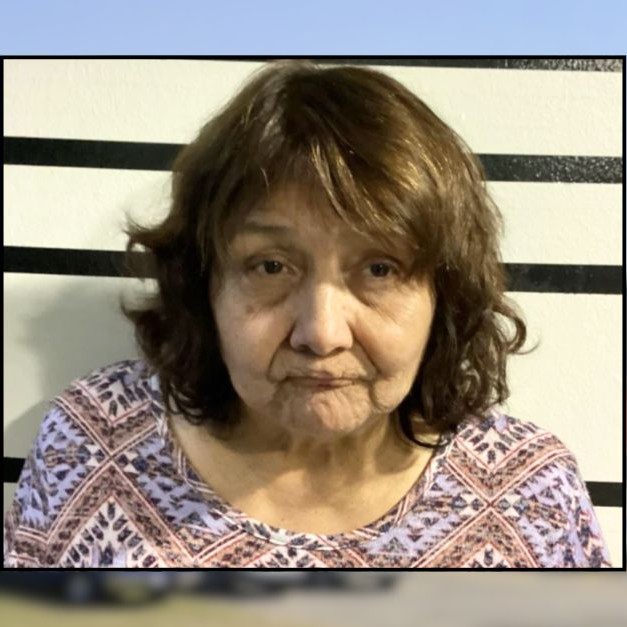
Background: The Cherokee Nation Courthouse in Tahlequah, Oklahoma. Inset: Booking image of Elizabeth Poteete, provided by the Sequoyah County Sheriff’s Office.
Competing Accounts of Threat and Fear
After she waived her Miranda rights, investigators wrote, Elizabeth Poteete said she believed she was in danger. In the affidavit, she is quoted as saying “she was afraid for her life,” and she alleged that her husband, his girlfriend, and another unnamed person were going to shoot her.
According to the account summarized by Law&Crime, she told authorities that after hearing of this alleged plan, she retrieved a handgun from a filing cabinet inside the home. As Troy Poteete slept in a chair with a CPAP mask over his face, she allegedly fired multiple times, striking him as he slept.
The same affidavit describes an earlier 911 call from the home on the evening of February 6th, 2026, around 6 p.m. Elizabeth Poteete reportedly told dispatchers then that an unidentified man was walking on the property. Deputies responded and searched the area, but later wrote that they found nothing suspicious.
In that report, deputies wrote that they “believed [Elizabeth Poteete] was having a mental episode.” That assessment now sits in tension with her later claim that she acted out of reasonable fear for her life. Public filings do not describe any independent evidence, beyond her statements, that others were planning to attack her.
The details about the CPAP machine and Troy Poteete’s apparent state of sleep are likely to become important in court. Those facts, now part of the public affidavit, give prosecutors a basis to argue that he was not presenting an immediate threat at the moment he was shot, even as the defense points to her stated fear and the earlier call for help.
Federal and Tribal Jurisdiction Questions
Law&Crime reports that investigators noted a key jurisdictional fact. The fatal shooting occurred on land within the Cherokee Nation, and both Troy and Elizabeth Poteete are identified as Cherokee Nation citizens. Because of that, the case is now being investigated by the FBI.
Violent crimes that occur in Indian Country, particularly those involving Native citizens, often fall under federal jurisdiction under the Major Crimes Act. In eastern Oklahoma, that structure was reaffirmed by the United States Supreme Court’s McGirt v. Oklahoma decision in 2020, which recognized that large portions of the region remain reservation land for criminal law purposes.
In practice, that means local sheriffs, tribal police, the FBI, tribal courts, and federal prosecutors may all have roles in a single homicide investigation. Early charging decisions sometimes originate in county court while federal authorities review the case. Public records so far show a state first-degree murder charge and do not yet clarify how federal prosecutors intend to proceed.
The involvement of multiple jurisdictions can affect nearly every stage of a homicide case, from which investigators control evidence to which court ultimately tries the defendant. It can also influence sentencing exposure, since federal and tribal courts operate under different statutes and sentencing frameworks from Oklahoma state courts.
What Comes Next in the Case
As of early February 2026, court records cited by Law&Crime indicate that Elizabeth Poteete is being held at the Sequoyah County Jail without bond on a first-degree murder charge. Her arraignment is scheduled for March 3rd, 2026, when she is expected to hear the formal charge and enter an initial plea.
An arraignment is typically a brief but significant hearing. Defendants are advised of the charges and potential penalties, and the court addresses issues such as counsel, bond, and scheduling. In a case with overlapping state, tribal, and federal interests, it can also be an early indication of whether additional indictments or transfers are expected.
If the case moves forward, prosecutors will have to reconcile the narrative in the affidavit with the legal standards for premeditated or intentional killing under Oklahoma law or, if applicable, federal law. Defense counsel, in turn, may focus on Elizabeth Poteete’s statements about fear and the deputies’ own notation of a possible mental episode earlier that day.
Future hearings could address whether she undergoes a mental health evaluation, whether her statements to deputies are admissible, and how much weight courts should give to the earlier 911 call that resulted in no findings. Physical evidence from the scene, including the CPAP equipment, ballistics, and 911 recordings, is likely to take on added importance as both sides test the competing narratives.
For now, a former Cherokee Nation justice is dead, his wife faces a first-degree murder charge, and investigators are still bridging the gap between a late-night admission, an earlier warning call, and notes that point to possible mental health concerns. How state, tribal, and federal courts choose to handle those tensions will define the next steps in this case.