


More than three decades after 19-year-old Carmen Van Huss was raped and stabbed to death in her Indianapolis apartment, a guilty plea and 45-year prison sentence have closed the criminal case, while the long gap between the 1993 killing and the eventual DNA match underscores how violent crimes can linger for years before resolution.
TLDR
Prosecutors say DNA testing linked 53-year-old Dana Shepherd to the 1993 rape and fatal stabbing of 19-year-old Carmen Van Huss in Indianapolis. He pleaded guilty to murder and received a 45-year sentence, resolving a case that had remained unsolved for more than 30 years.
Decades-Old Killing, Recent Conviction
According to Fox News, Marion County authorities in Indianapolis announced that 53-year-old Dana Shepherd has been sentenced to 45 years in prison for the murder of Carmen Van Huss. Shepherd admitted in a plea agreement that he killed Van Huss in 1993, when he was 20 years old, and she was 19.
Reporting bythe Indianapolis station FOX 59 states that Van Huss was raped and stabbed 61 times inside her apartment. Her body was found by her father, who discovered her lying in a large pool of blood. Investigators documented signs of a struggle, including a knocked-over table and scattered household items. Despite the brutality of the attack, the case went cold for decades.
For Van Huss’s family, the unresolved investigation stretched across much of their lives. The 1993 killing became one of many violent crimes from that era that remained open while forensic tools and investigative practices continued to change.
DNA Links Missouri Man to Indianapolis Case
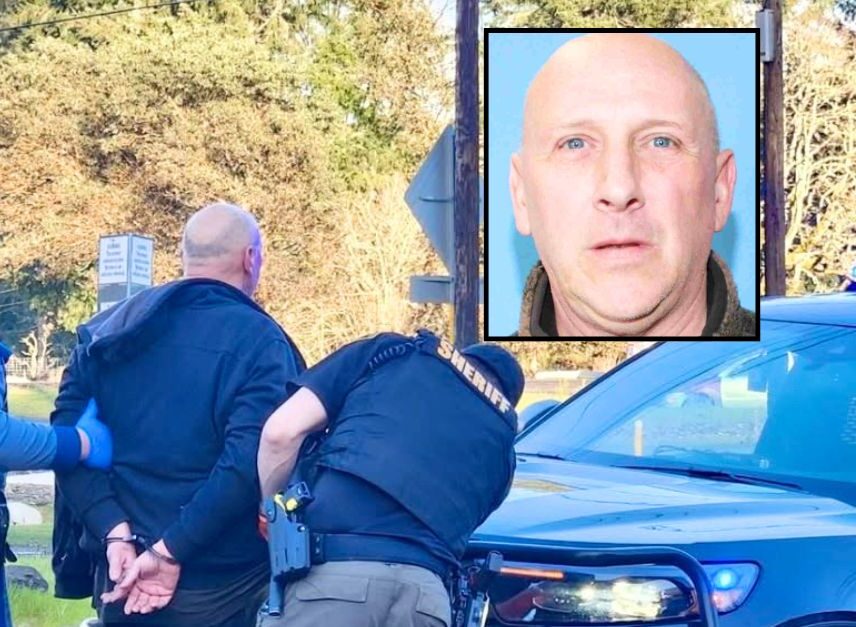
Fox News reported that more than 30 years after the killing, police in Missouri arrested Shepherd in Columbia and he was extradited to Indianapolis. He was initially charged with murder and rape with deadly force. Investigators had not connected him to the 1993 crime at the time it occurred. According to the outlets, DNA testing eventually tied Shepherd to evidence from the scene, bringing his name back before Indianapolis authorities.
The reporting does not describe the specific DNA evidence, but the basic pattern matches other long-running investigations in which preserved biological material is tested using newer laboratory methods. Over time, those methods can generate profiles that match entries in law enforcement databases or link past crime scene evidence to individuals who later have contact with the criminal justice system.
FOX 59 noted that Shepherd already had a criminal history in Indiana before the 1993 killing, including charges for battery and public intoxication. After 1993, he faced additional charges in Missouri, including stealing, disturbing the peace, and driving without a license. The newly reported DNA link, combined with those existing records, positioned prosecutors to pursue a case that had been dormant for decades.
Plea Deal Avoids Trial and Dismisses Charges
Fox News reported that Shepherd was arrested in August 2024 and, after extradition to Indiana, was scheduled to stand trial. That trial did not occur. Instead, a plea agreement was filed in court, under which Shepherd admitted to the murder charge. The additional charges, including rape with deadly force, were dismissed as part of the deal.
A judge sentenced Dana Shepherd to 45 years for the 1993 murder of Carmen Van Huss at her Indy apartment.
The judge noted that under sentencing guidelines in 1993, Shepherd is required to serve approximately 50% of that sentence, which is 22.5 years.https://t.co/psOXsI4Pnw pic.twitter.com/xKxURxwEjl
— WTHR.com (@WTHRcom) February 13, 2026
In a statement quoted by Fox News, Marion County Prosecutor Ryan Mears framed the plea as a way to secure a definitive conviction in a case shaped by time. He said, “While no passage of time can ever heal the unimaginable loss Carmen’s family has endured, we are grateful to secure a murder conviction more than 30 years after this heinous crime. Our hope is that this resolution brings a measure of justice and peace to her loved ones, after three decades of waiting for answers.”
Plea agreements are common in older homicide cases, where physical evidence may have degraded, and witnesses’ memories may have faded. By accepting a negotiated sentence, defendants avoid the uncertainties of trial, while prosecutors ensure a conviction that is less vulnerable to appeal than a contested verdict. In this case, the plea replaced a public trial record with a negotiated resolution built around Shepherd’s admission of guilt.
Family Seeks Accountability After 30 Years
In a written statement reported by Fox News, Van Huss’s relatives expressed both disappointment with the plea agreement and relief that the person responsible has now been formally held to account. They emphasized that, from their perspective, the sentence marks the end of a long period in which the perpetrator lived freely while their family grieved.
“While this plea deal was not our first choice, we are grateful that after 33 years the man responsible for Carmen’s brutal rape and murder is finally being held accountable,” the family stated. “For decades, the perpetrator was able to live a normal life after taking that right away from Carmen and from our family. Nothing can undo that loss or erase the injustice of him living freely for so long, but we are thankful that the truth has finally come to light and that he has not escaped justice.”
The family’s comments underline a tension that often appears in cold case prosecutions. A negotiated sentence can limit public airing of evidence, but it also spares families the uncertainties of trial and the possibility of an acquittal. For the Van Huss family, the statement suggests that accepting the plea was a compromise shaped by the passage of time and the desire to ensure that a conviction was entered in the record.
What the Resolution Cannot Change
With sentencing complete, the criminal case against Shepherd is largely resolved. He is now serving a 45-year term for murder, while the additional counts originally filed have been dismissed. Court documents and corrections records will govern how that sentence is carried out, but the essential outcome, a murder conviction tied to the 1993 killing, is settled.
The broader context, however, remains less defined. The events described in court and in the reporting show a 19-year-old victim killed in 1993, a defendant with prior contact with the justice system in two states, a DNA match reported more than three decades later, and a plea agreement that ends the case without a trial. How often similar patterns exist in other unsolved files, and how quickly they can be addressed with modern forensic tools, are questions that will persist long after this particular cold case has been closed.