

Federal agents say he described how he built the devices and set timers for them. In court, he stood up and said he was not guilty.
From Mystery Suspect To Named Defendant
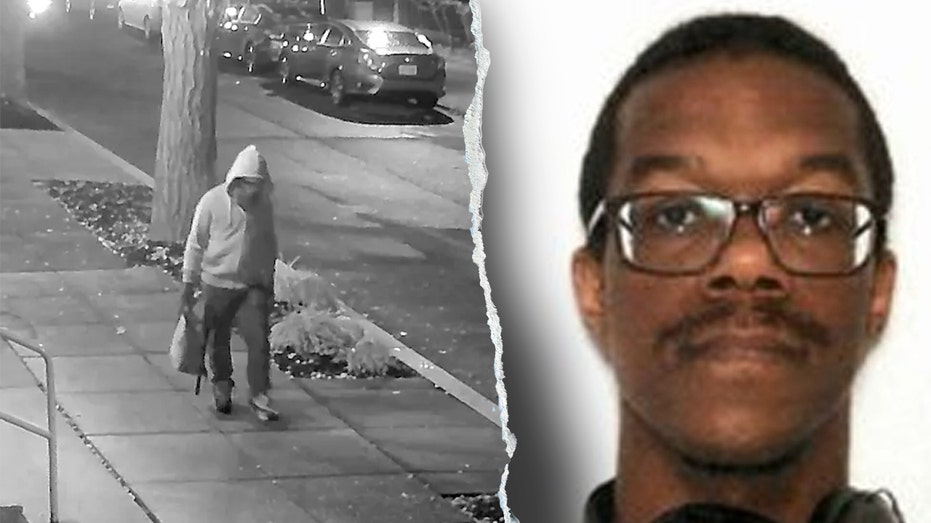
For years after January 2021, the person who left two pipe bombs outside the Democratic National Committee and Republican National Committee offices in Washington, D.C., remained unidentified. The FBI kept a public appeal for help on its “seeking information” pages, offering a reward for tips about the unknown suspect who placed the devices near the party headquarters on the night before the January 6 attack on the U.S. Capitol, according to the bureau’s own postings at fbi.gov.
According to new reporting by Fox News, federal investigators now say they have a name. Brian J. Cole Jr., a Virginia resident, was arrested by the FBI in early December and has been indicted on two federal counts related to transporting and attempting to use explosives. In a recent appearance in federal court, Cole entered a plea of not guilty to the charges.
MY HEART iS ERUPTiNG🌋❤️🔥
for this darling man, Brian Cole. ♿︎He is in prison right now! Accused of planting pipe bombs before the Jan 6th, 2021 DC event…
But it is not true. 😩
His soul is crying out!⚠️⚠️⚠️⚠️⚠️⚠️@FBIDirectorKash@PamBondi@JudgeJeanine
THiS iS NOT OK! pic.twitter.com/ktBpZzKvRy— Rodleen Getsic Rich (@inCogNeeno) January 5, 2026
The government alleges that Cole is the person who planted the two pipe bombs outside the DNC and RNC headquarters in downtown Washington, D.C., on the evening of January 5, 2021. Those devices did not detonate. No one was physically injured. Prosecutors argue that was due to chance rather than design.
What Investigators Say Happened On January 5
The basic outline of the incident has been public since 2021. The FBI has long stated that two viable pipe bombs were discovered near the DNC and RNC offices on the night before the Capitol attack and were later rendered safe by law enforcement, as noted on the bureau’s terrorism and public safety pages at fbi.gov.
According to the recent Fox News report, citing court documents and law enforcement sources, prosecutors now say that Cole built those devices and placed them at both party headquarters. The devices allegedly contained timers, and the government contends that Cole set them to detonate roughly one hour after placement.
In the account presented in those filings, the bombs were real and capable of causing serious harm. A government filing quoted by Fox describes the outcome this way. “Ultimately, it was luck, not lack of effort, that the defendant failed to detonate one or both of his devices and that no one was killed or maimed due to his actions.” The filing continues, “His failure to accomplish his objectives does not mitigate the profoundly dangerous nature of his crimes.”
These claims remain allegations. Cole’s not guilty plea signals that his defense team intends to challenge at least some part of the government’s version of events, whether that relates to identity, intent, or the strength of the evidence.
The Alleged Admissions And A Changed Plea
One of the central tensions in the case, based on what is currently public, comes from how investigators describe Cole’s own words. Fox News reports that, according to a summary in Justice Department documents, Cole initially denied involvement when questioned by federal agents. The report states that he changed course only after investigators reminded him that lying to federal agents is a separate crime and showed him surveillance footage that they said placed him at the scenes.
After that, according to the Fox account of those filings, Cole allegedly admitted planting the bombs and described his thinking. Court documents quoted in the Fox article state, “According to the defendant, he was not really thinking about how people would react when the bombs detonated, although he hoped there would be news about it.” Those same documents say he later added that he was “relieved” when he learned the devices had not exploded.
On motive, Fox reports that prosecutors say Cole told investigators that “something just snapped” after he spent months “watching everything, just everything getting worse” following the 2020 presidential election. According to that reporting, the documents say he claimed he targeted “the parties” because “they were in charge.” The Associated Press also contributed to the Fox report, according to its own byline note.
Even if these statements are accurately recorded, their role at trial is not automatic. Defendants can challenge whether a confession was voluntary, whether it was obtained in compliance with constitutional protections, or whether it has been accurately summarized. A not guilty plea preserves Cole’s right to bring those challenges later and to force the government to prove its case at trial.
Charges, Possible Penalties, And Ongoing Conduct
The Fox News report states that Cole has been charged with two federal counts tied to transporting and attempting to use explosives. One charge, according to that reporting, carries a potential ten-year prison sentence. The other carries up to twenty years if he is convicted. Exact statutory citations were not listed in that article, but they would typically fall under federal explosives and terrorism-related provisions in Title 18 of the U.S. Code.
Prosecutors are also portraying the January 5 devices as part of a broader pattern of conduct rather than a single, isolated act. Fox reports that, according to the government’s filings, Cole continued to purchase materials that can be used for bomb making even after the failed attempt in Washington. That detail is likely to be important at any detention hearing, where judges weigh whether to keep a defendant in custody before trial based on alleged dangerousness and risk of future crimes.
At this point, there is no public indication in the Fox or FBI materials of any specific person who was the intended target for harm on January 5. The alleged motive, as described in the court documents quoted by Fox, focuses on political frustration after the 2020 election and a broad desire to “do something” to the two major parties.
How A Confession Can Coexist With A Not Guilty Plea
On the surface, a reported confession and a not guilty plea can appear to conflict. In practice, they often reflect different stages of a criminal case and different legal standards.
A statement to law enforcement happens in an investigative setting. The question at that stage is whether the person was properly advised of their rights, whether they chose to waive those rights, and whether any promises, threats, or impairments might have influenced what they said. Those are issues courts later examine under constitutional rules for custodial interrogation.
A plea in court serves a different purpose. By pleading not guilty, Cole has invoked his right to a trial by jury and to require prosecutors to prove each element of each offense beyond a reasonable doubt. He is also preserving his ability to argue that any statements he made to investigators should be excluded from evidence. If his defense team later asks a judge to suppress those statements, the court will have to hold a hearing and decide what the jury will be allowed to hear.
This posture is common in serious federal cases. Even when the government claims to have strong physical evidence, digital records, or recorded admissions, defense attorneys frequently advise clients to plead not guilty at the outset while they review the discovery, investigate their own leads, and file legal motions.
What We Still Do Not Know
Despite Cole’s arrest, several pieces of the story remain unclear based on publicly available information. The Fox News reporting does not specify which investigative steps, apart from the alleged confession and surveillance footage, led agents to identify Cole as a suspect after years of searching. The long-standing FBI public appeal did not name a person, and the bureau has not yet publicly updated that “seeking information” page to reflect any arrest, based on the version accessible through fbi.gov.
There is also no public charging document reproduced in the Fox article, which limits outside scrutiny of the precise legal theories and factual allegations the Justice Department is pursuing. Key details, such as how the devices were constructed, what specific materials Cole is alleged to have purchased afterward, and how investigators link him to those purchases, are described only in summary form.
Cole’s defense attorneys have not yet been quoted in the available coverage at Fox News or on the general site of local station FOX 5 DC. Their eventual motions and statements will help clarify which parts of the government’s case they plan to contest most directly.
For now, the public record shows a case that tries to close one of the lingering open questions from the lead-up to January 6. It also shows a defendant who, according to federal filings, offered detailed admissions about his actions, then stood in court and pleaded not guilty. How a jury will weigh that combination against the presumption of innocence remains unresolved.