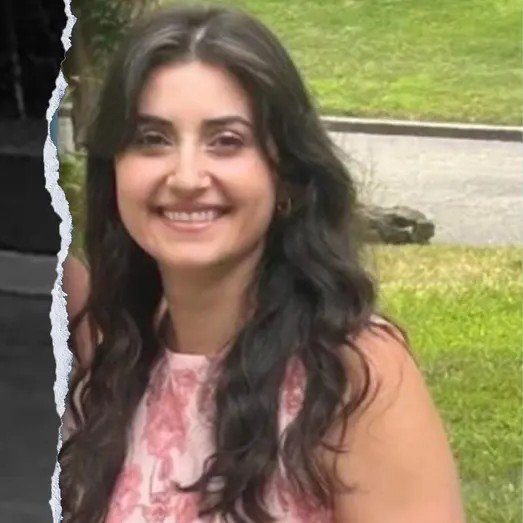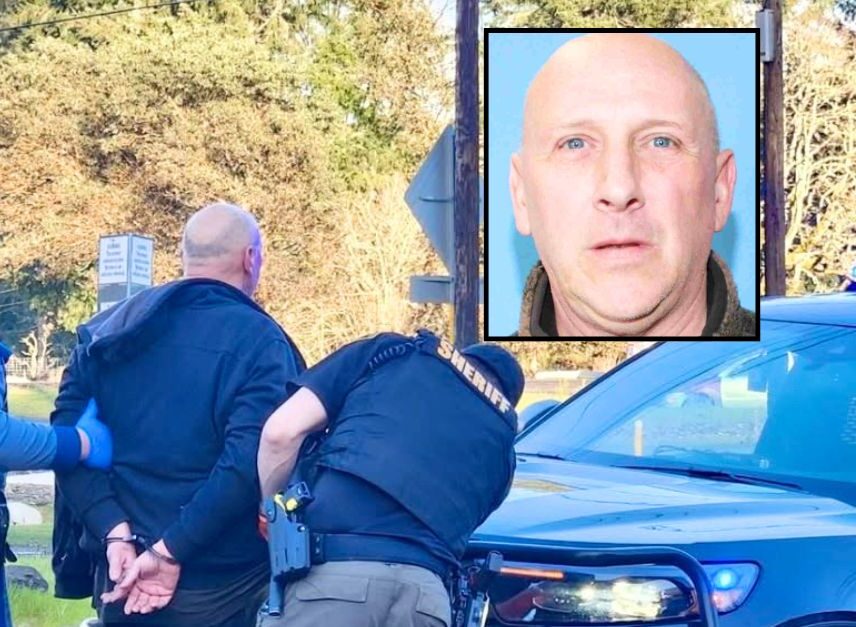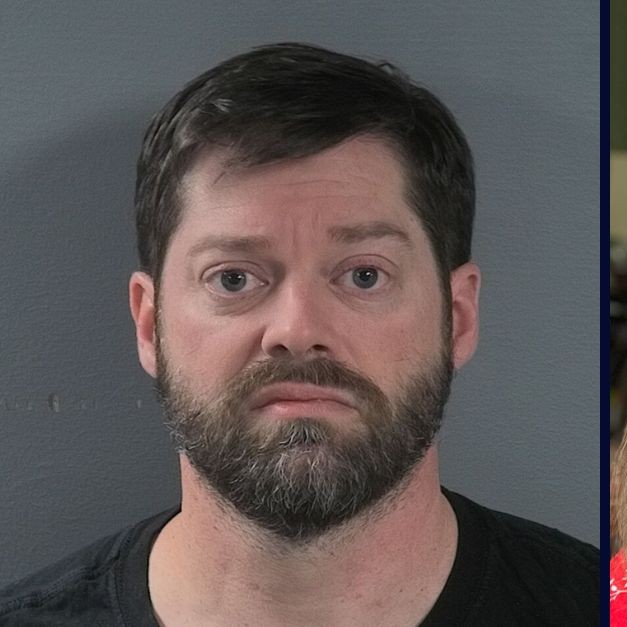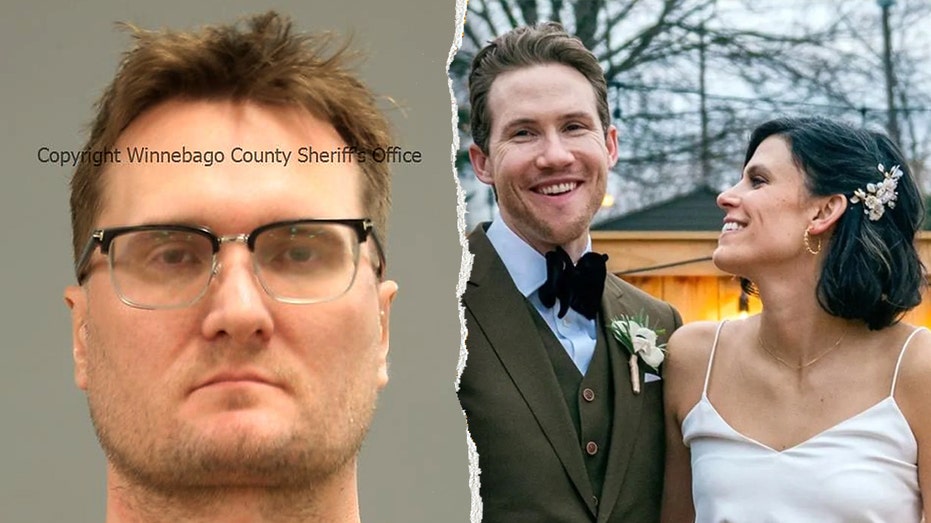
Prosecutors in Ohio now accuse that surgeon, 39-year-old Michael David McKee, of killing his former wife, Monique Tepe, and her husband, dentist Spencer Tepe, at their Columbus home in late December. McKee is charged with two counts of murder and is awaiting extradition from Illinois to Franklin County, according to reporting by Fox News and the Columbus Dispatch. He has not yet entered a plea, and no trial date has been set.
What Police Say They Found In Columbus
Columbus police were called to the Tepe home in the Weinland Park neighborhood on a December morning after 37-year-old dentist Spencer Tepe did not show up for work, Fox News reported, citing police records. Inside, officers found Spencer and 39-year-old Monique Tepe dead from gunshot wounds.
Two young children, shared by Monique and Spencer, were discovered unharmed in the home, according to the same Fox report and a timeline published by Fox that drew on police information and 911 calls. Those children were removed from the house after officers arrived.
Family members told Columbus television station WSYX that the couple had been close to celebrating their fifth wedding anniversary when they were killed. The house is in a dense, mixed-income neighborhood near Ohio State University, which has an extensive network of residential security cameras.
Columbus police have so far released few narrative details about what they found inside the home beyond the cause of death and the presence of the children. In one on-the-record statement quoted by Fox News, investigators stated, “Police have not given a motive in the shooting.” That remains one of the most significant unresolved questions in the case.
Who Is Michael David McKee
According to court records and medical licensing databases summarized by the Columbus Dispatch and Fox News, McKee is a vascular surgeon who was living in the Chicago area at the time of his arrest. He held active medical licenses in Illinois and California and previously attended medical school at Ohio State University.
McKee and Monique Tepe married in 2015. She filed for divorce in 2017. The Dispatch, citing domestic relations court filings, reported that the case appeared to be relatively low conflict, and McKee was living in Virginia when the divorce was finalized. The two did not have children together.
Fox News added, based on local reporting, that McKee has family ties to Zanesville, Ohio, which is east of Columbus. That placed his past personal and professional life firmly within the same state where the shooting occurred, even though he was working in Rockford, Illinois, at the time of his arrest.
Publicly available information in these stories does not indicate any recent civil protection orders, active custody disputes, or open domestic cases between McKee and Tepe in Franklin County courts. Whether there were other tensions, financial issues, or personal disputes that might be relevant has not been addressed in the limited public statements by law enforcement.
From Person Of Interest To Arrested Suspect
In the days after the killings, Columbus police released surveillance footage from an alley near the Tepe home and described the individual in the video as a person of interest, according to a separate Fox News article that focused on the footage and investigative leads. At that time, investigators did not publicly name the person in the video.
Court documents later obtained by Fox News and summarized in its reporting state that investigators tracked a vehicle they link to McKee using neighborhood surveillance cameras. Police allege that the car was recorded arriving near the home shortly before the estimated time of the shootings and leaving shortly after.
Those court filings, as described in news accounts, do not appear in full in public reporting, so important details remain out of view. For example, the articles do not identify the exact make and model of the vehicle, how long it was in the area, whether license plates were clearly visible, or whether any witnesses saw the driver.
According to Fox News, officers and detectives traced the vehicle to the Rockford, Illinois, area, near where McKee worked. That reporting, citing court records, states that his car was located near his workplace. It is not clear from the press accounts whether officers conducted any searches of his residence, office, or vehicle before requesting an arrest warrant.
Ex-husband arrested in murders of Ohio dentist and his wife after vehicle found near Chicago https://t.co/ImMIOAeh4Q pic.twitter.com/kdCBJOCz9t
— Eyewitness News (@ABC7NY) January 11, 2026
A warrant for McKee’s arrest was issued in Ohio. He was taken into custody shortly afterward in Illinois and booked at the Winnebago County Sheriff’s Office around midday on a Saturday, sheriff’s records cited by Fox News indicate. He is charged in Ohio with two counts of murder.
McKee is currently held pending extradition to Franklin County. The Columbus Dispatch reported that he is scheduled for an extradition-related hearing in mid-January. At that hearing, a judge in Illinois would consider whether Ohio authorities have followed the interstate procedures required to transfer a defendant facing serious charges.
What Remains Unclear About The Case
Several important pieces of the story are either not public or not yet established in court.
First, investigators have not publicly described any motive. Reporters for Fox News, quoting Columbus police, stated plainly that, “Police have not given a motive in the shooting.” The available coverage does not mention any prior threats, recent confrontations, or specific triggering events between McKee and the Tepes.
Second, the current public narrative of the evidence appears to rely heavily on surveillance video and vehicle tracking. While court records reportedly connect McKee’s car to the neighborhood at a critical time, news articles do not say whether there are any eyewitnesses, forensic evidence such as DNA or fingerprints, or links to a recovered firearm.
Third, there is a gap between how the past relationship between McKee and Monique Tepe has been described and the extreme nature of the alleged crime. The Dispatch reported that the divorce “appeared to be amicable.” Family members quoted by WSYX described Spencer and Monique as preparing for a milestone anniversary. None of those accounts, at least as summarized in current reporting, point to ongoing open conflict.
Fourth, the articles do not specify who owns the Tepe family home, how often McKee had been in the area in recent years, or whether neighbors or family members had seen him around Columbus recently. Those details can matter in a case that may hinge in part on whether a jury believes that a specific person in grainy video footage is the defendant and whether his alleged presence near the house was innocent or criminal.
Finally, because the case is still in a pretrial posture, the defense perspective is not yet public in any detailed way. There is no indication in the available coverage that McKee or his attorney has made a public statement. Until formal court filings such as a plea, motions to suppress evidence, or alternative timelines are submitted and reported, the public record will remain sharply tilted toward law enforcement’s version of events.
What Comes Next
If McKee does not contest extradition, he is likely to be transferred to Franklin County in the near term. Once in Ohio custody, he would be arraigned on the murder counts in a county court, where a judge would ask for his plea, set bond or conditions of detention, and schedule future hearings.
In a homicide case of this type, the next significant public filings typically include:
Item 1: A detailed indictment from a grand jury, which may outline specific theories of the crime, such as whether prosecutors allege prior calculation or design, or other aggravating factors.
Item 2: Initial discovery disclosures from prosecutors to the defense, which can reveal what kinds of evidence have been collected.
Item 3: Pretrial motions from the defense, which sometimes challenge how police obtained key evidence or argue that certain statements or items should be excluded at trial.
For now, much of what the public knows comes from a narrow set of investigative details summarized in news stories. Two people are dead. Their children are without parents. A former spouse, now a surgeon, is jailed in another state, accused but not convicted.
Until the underlying court records become available in more detail and both sides present their evidence, the central questions remain unsettled. How investigators moved from an unidentified figure in an alley to a murder suspect in another state, and what happened inside that Weinland Park home before officers arrived that morning, will be tested in a courtroom rather than fully answered in early reporting.